Metaalbewerking en laswerk op maat in rvs, staal en aluminium.
 23-11 11:53
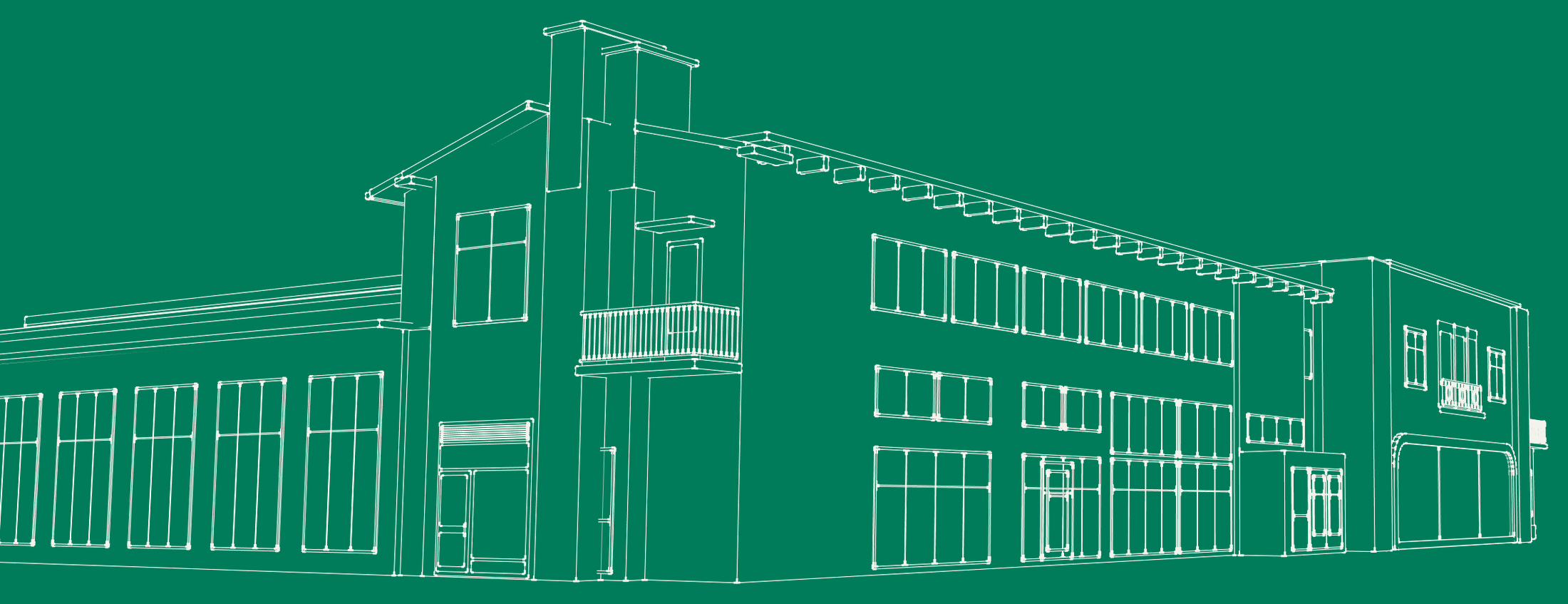
A makers’ hub in a car company building from 1954. Steel, wood, mobility and reuse, on the Wegastraat in the Binckhorst.
The workshop.
The window.
The Binckhorst.
Six themes, one roof. Pick a theme to filter the companies.
Metaalbewerking en laswerk op maat in rvs, staal en aluminium.
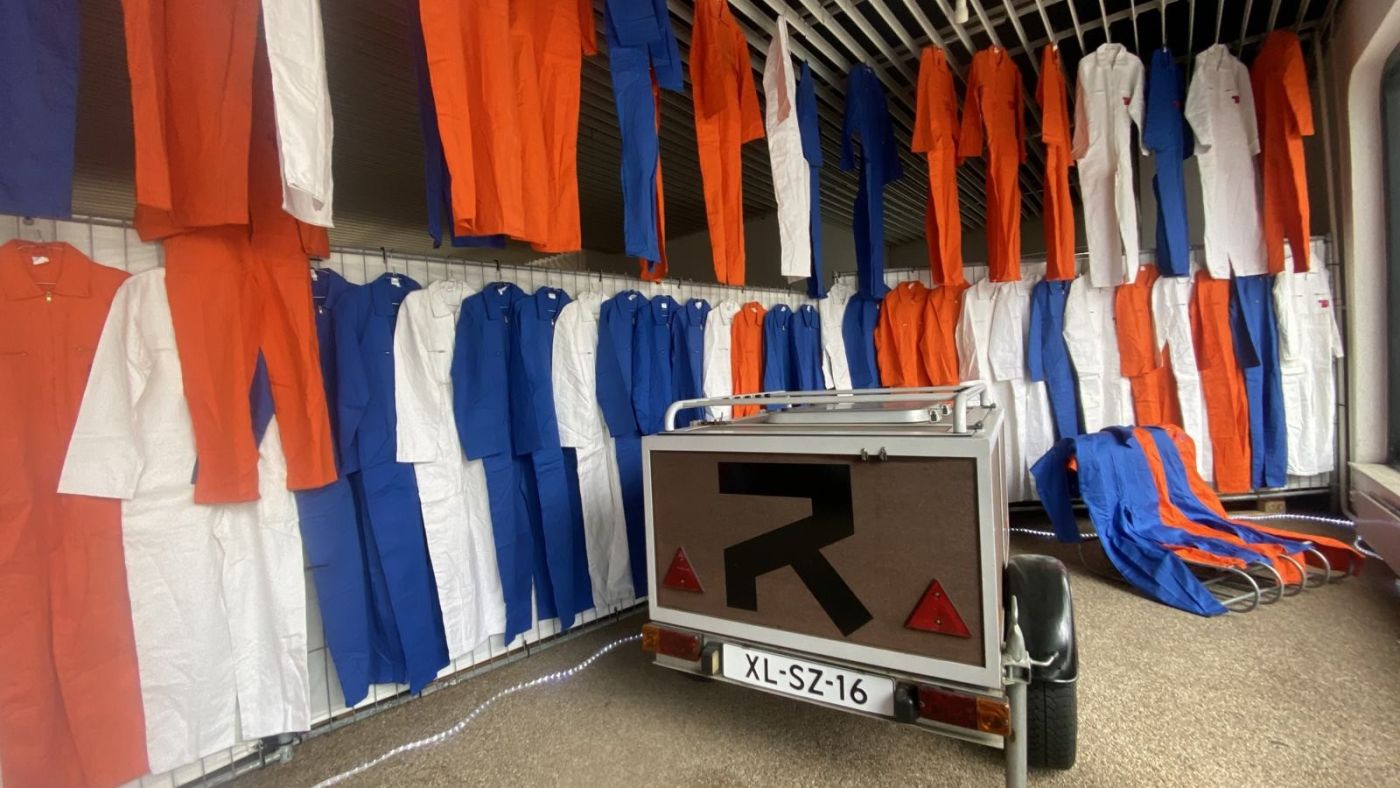
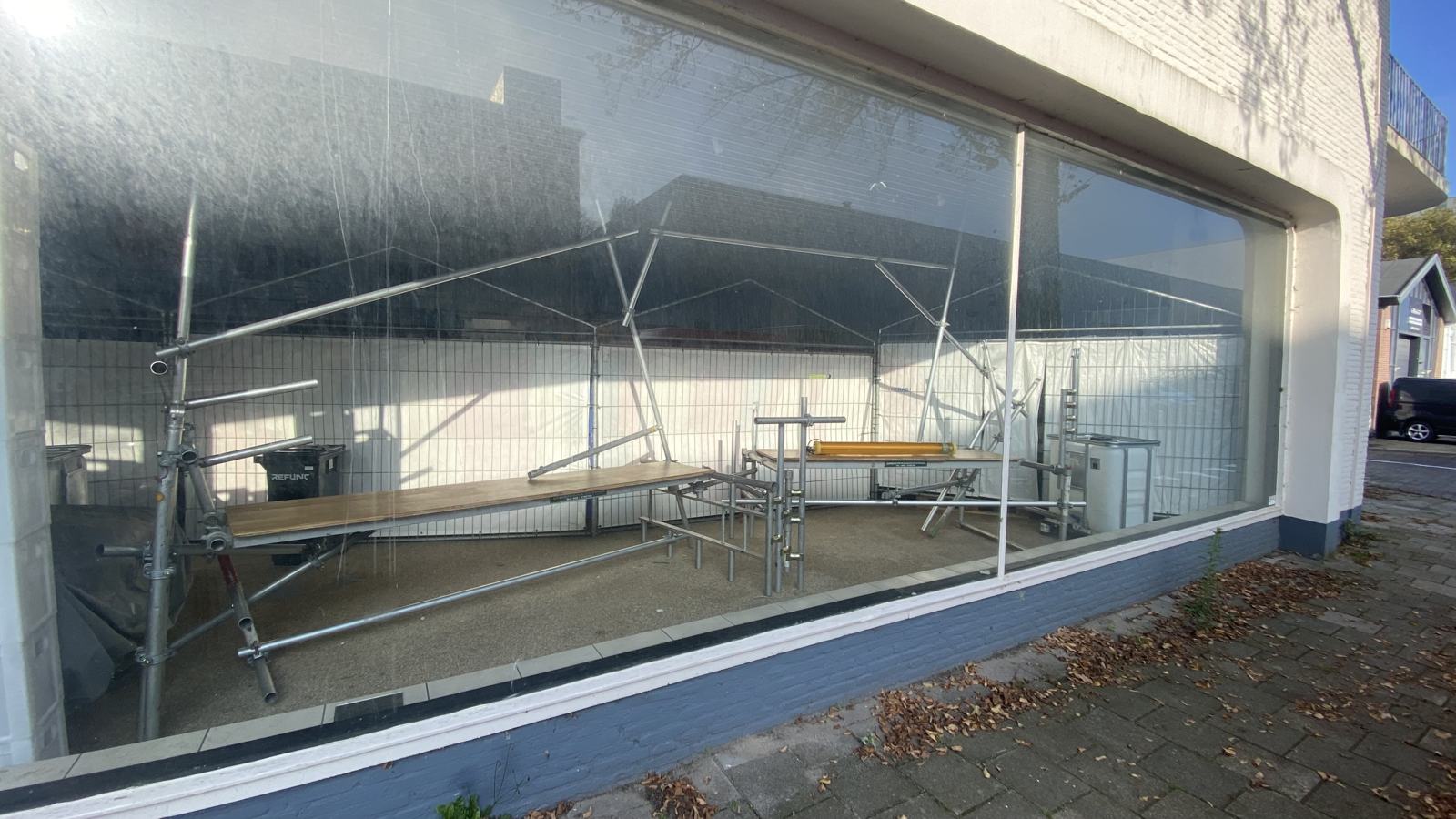
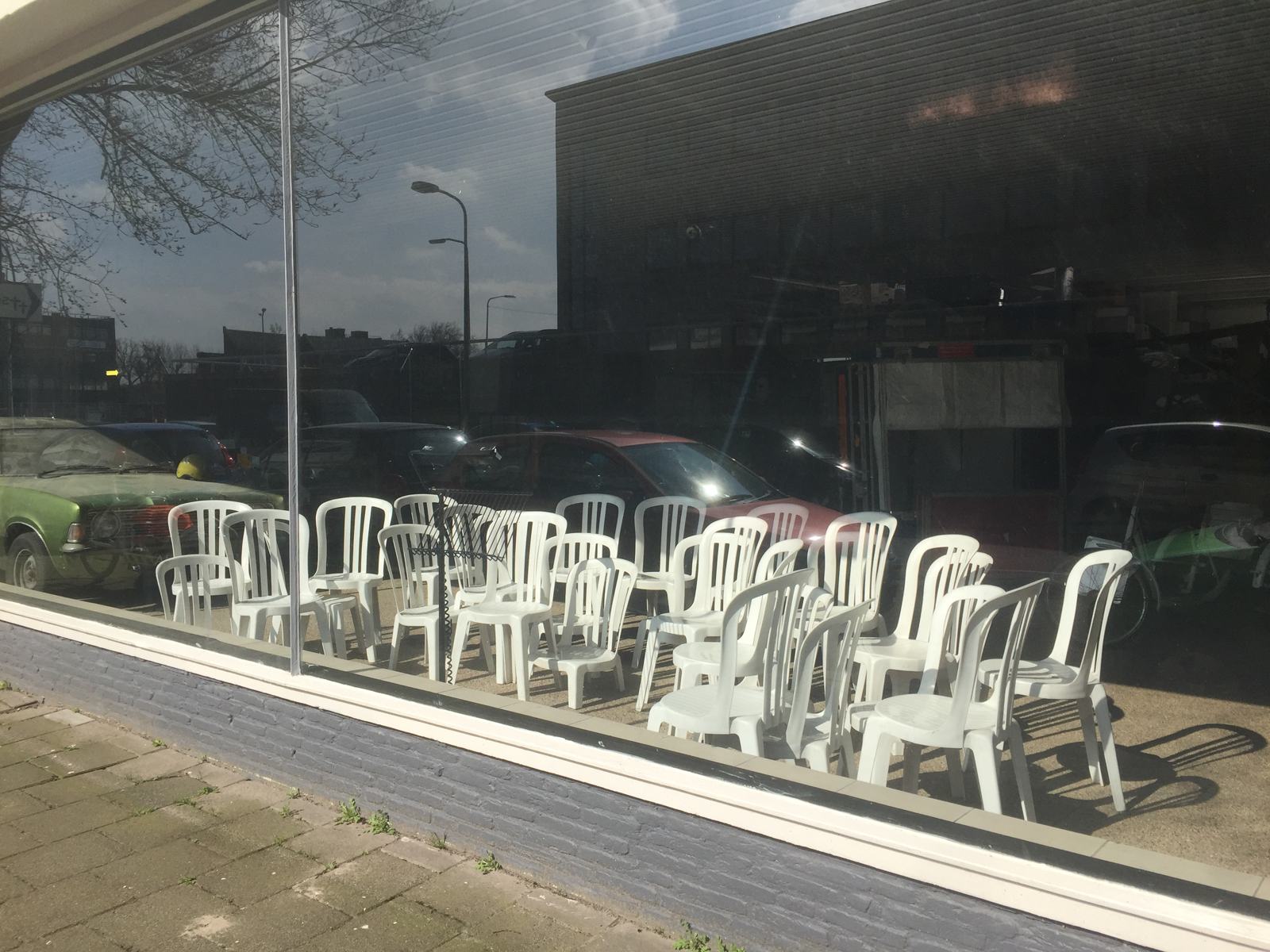
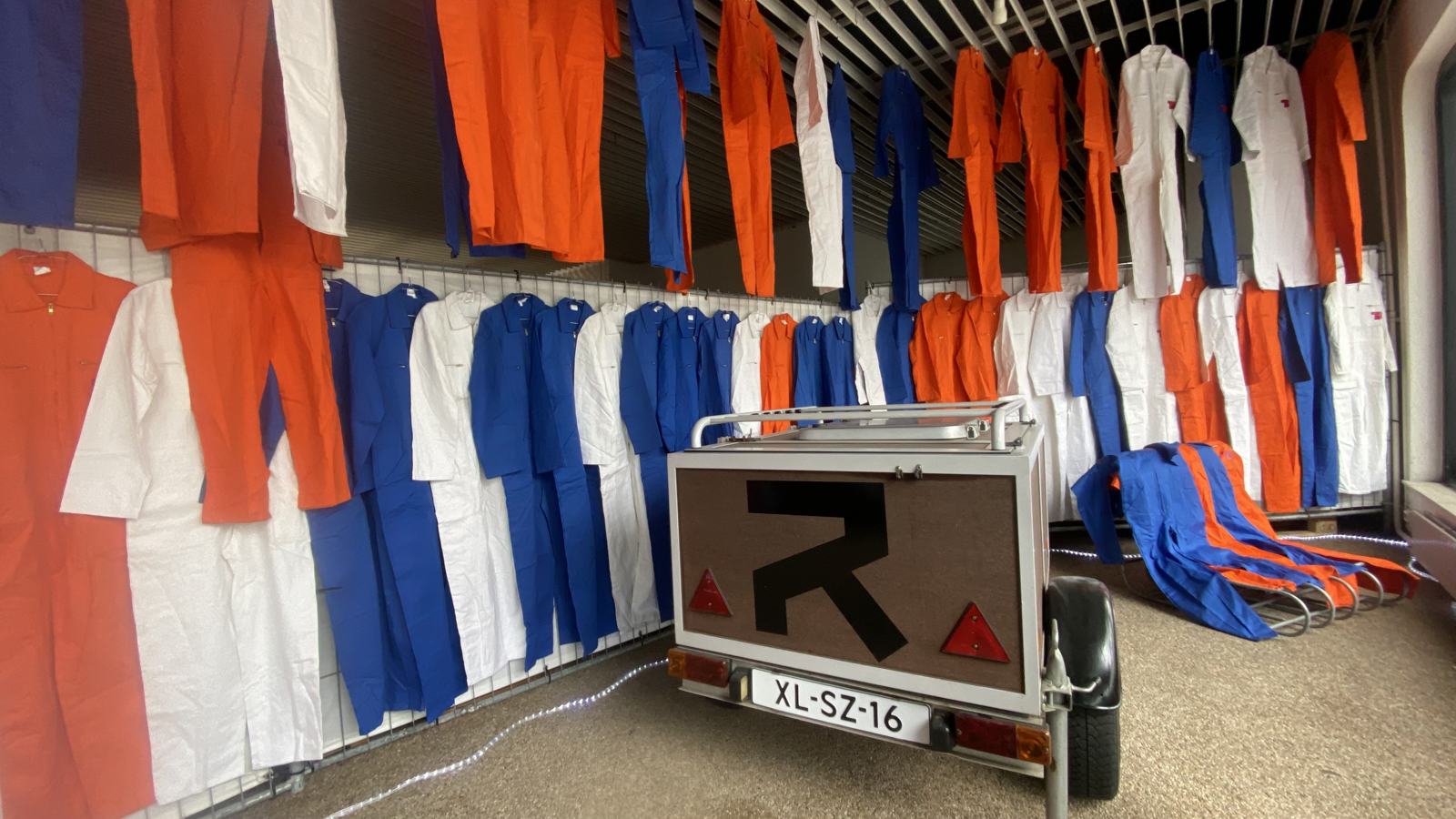
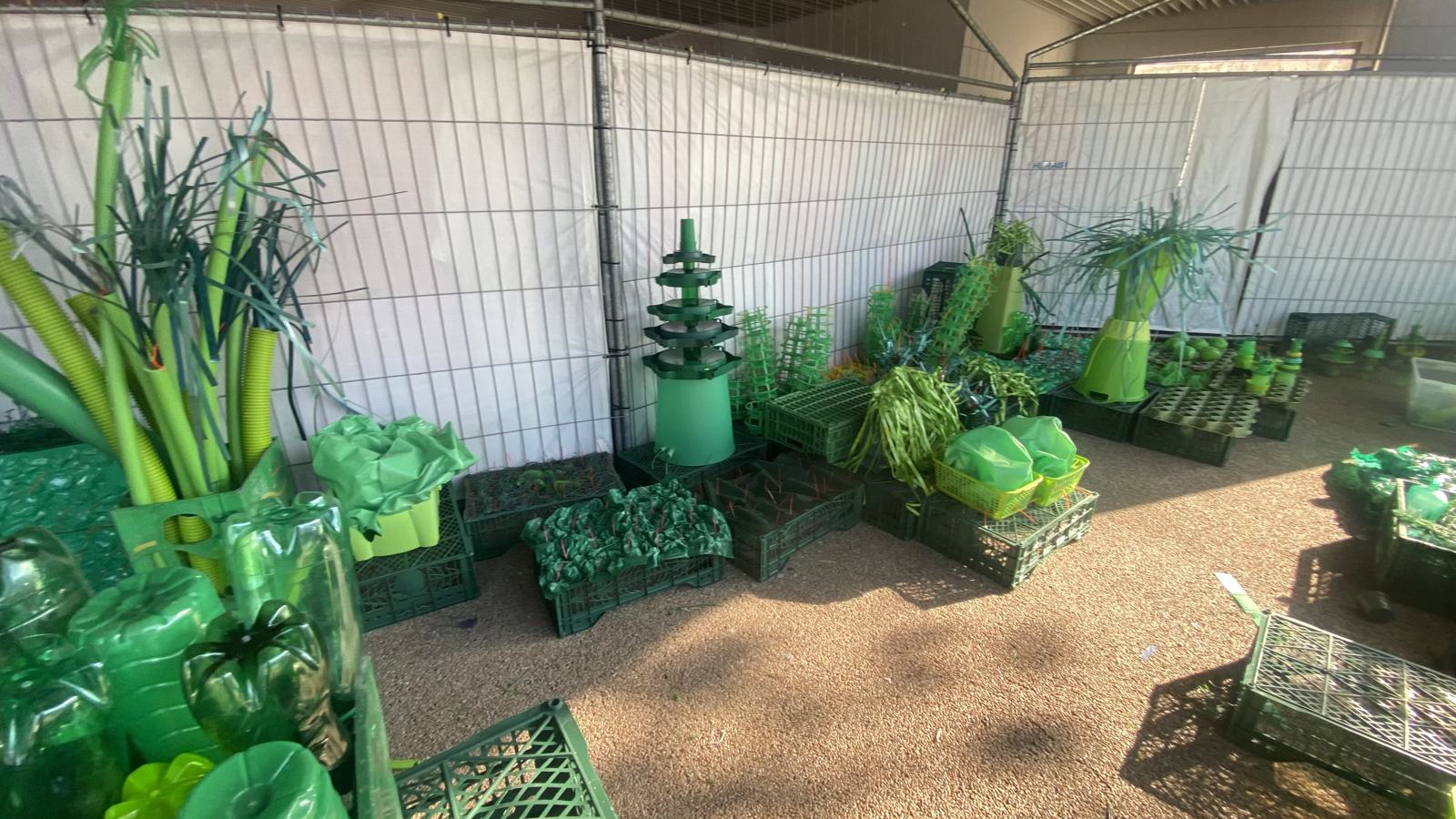
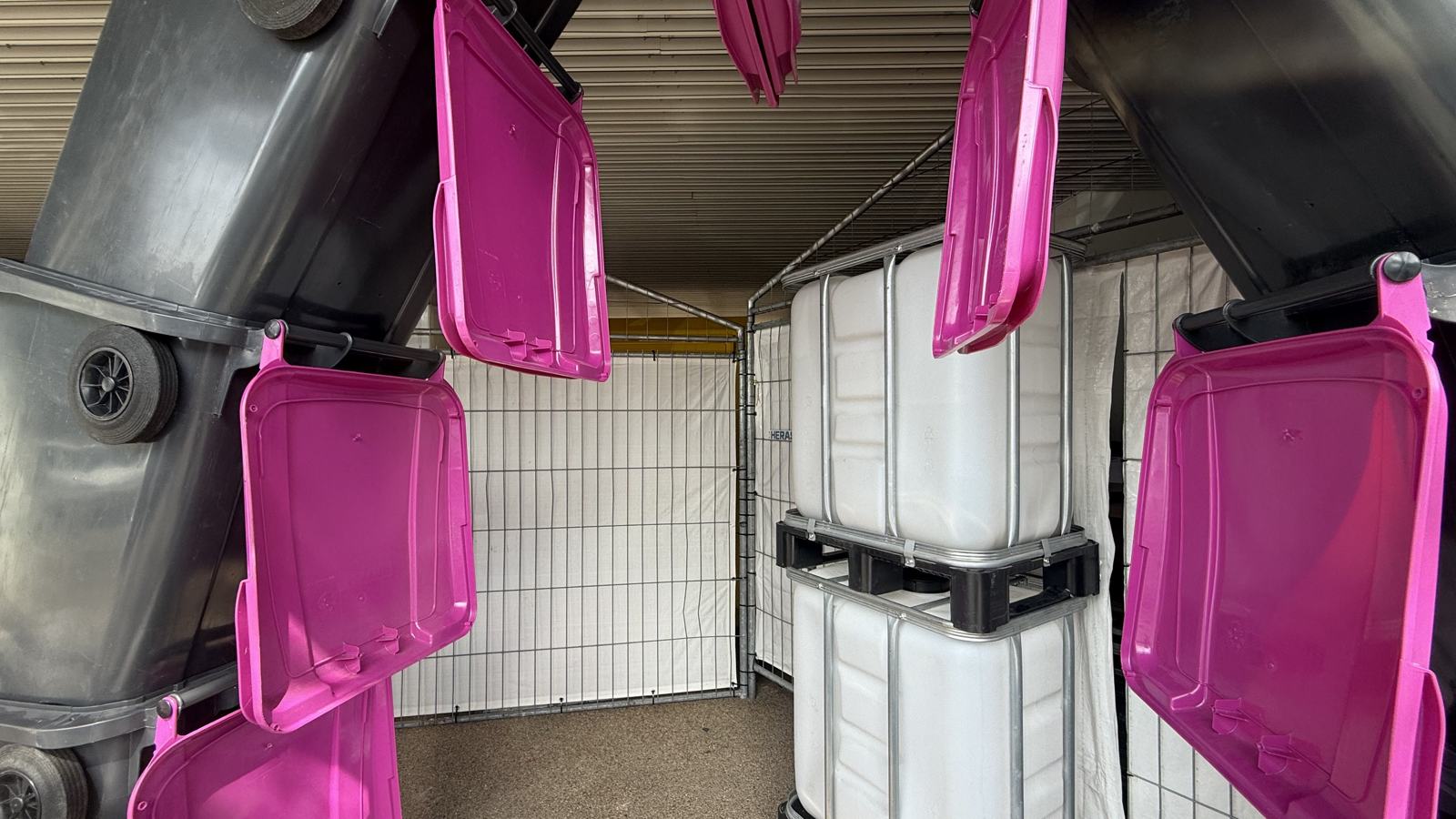
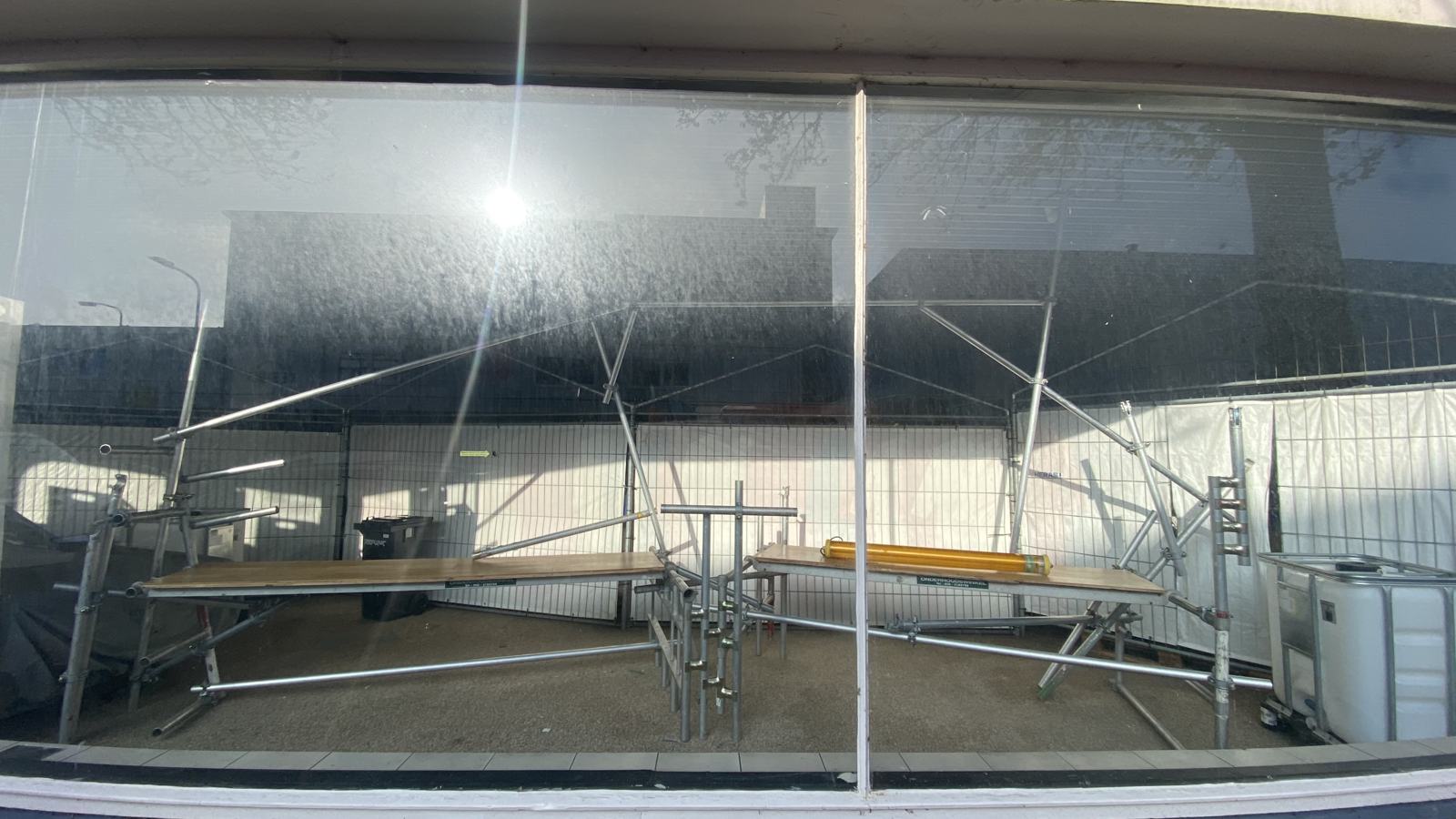
Richt de etalage aan de Wegastraat in, als verbindend element voor de wijk.
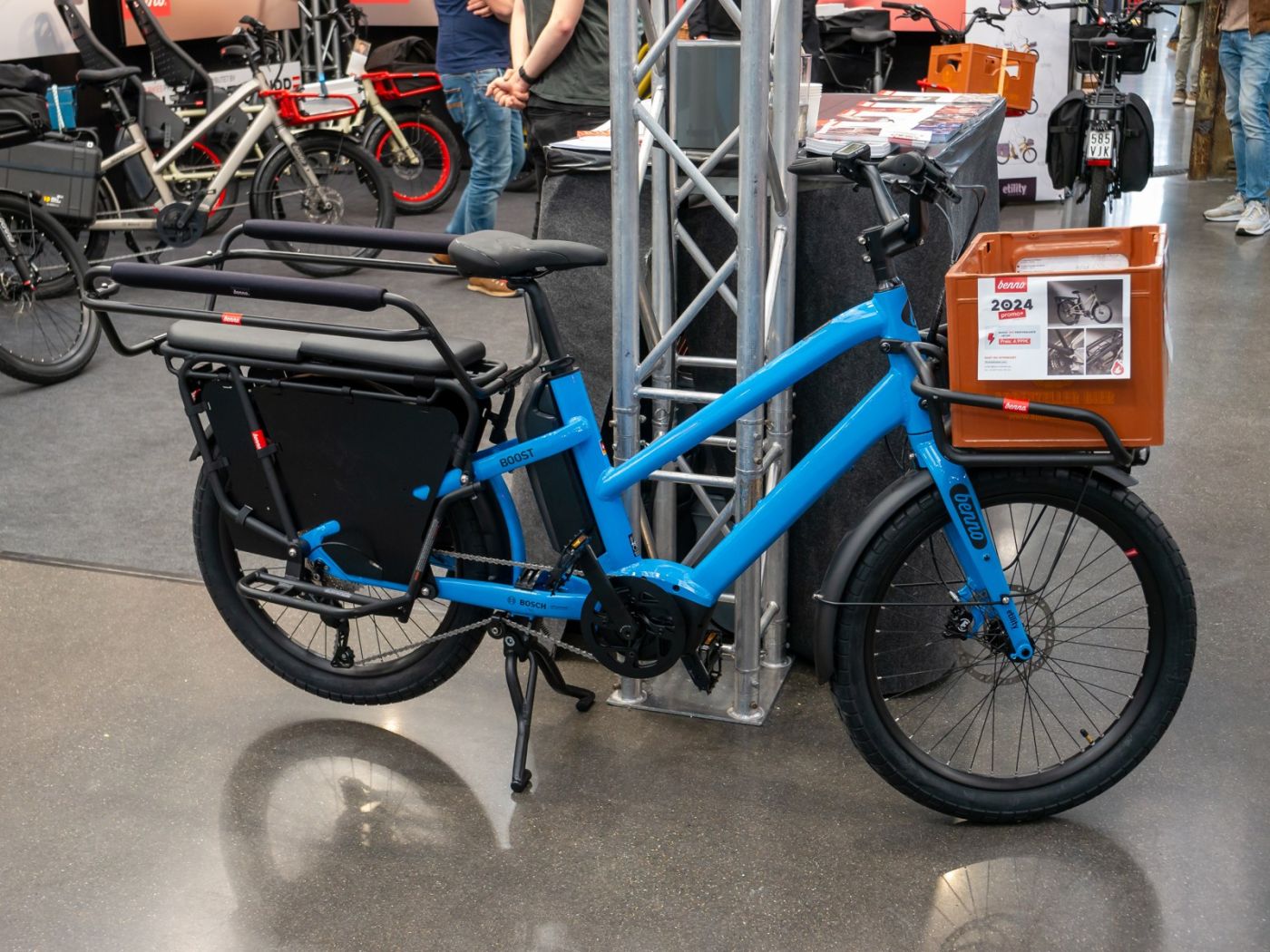
Werkt aan elektrische fietsen.
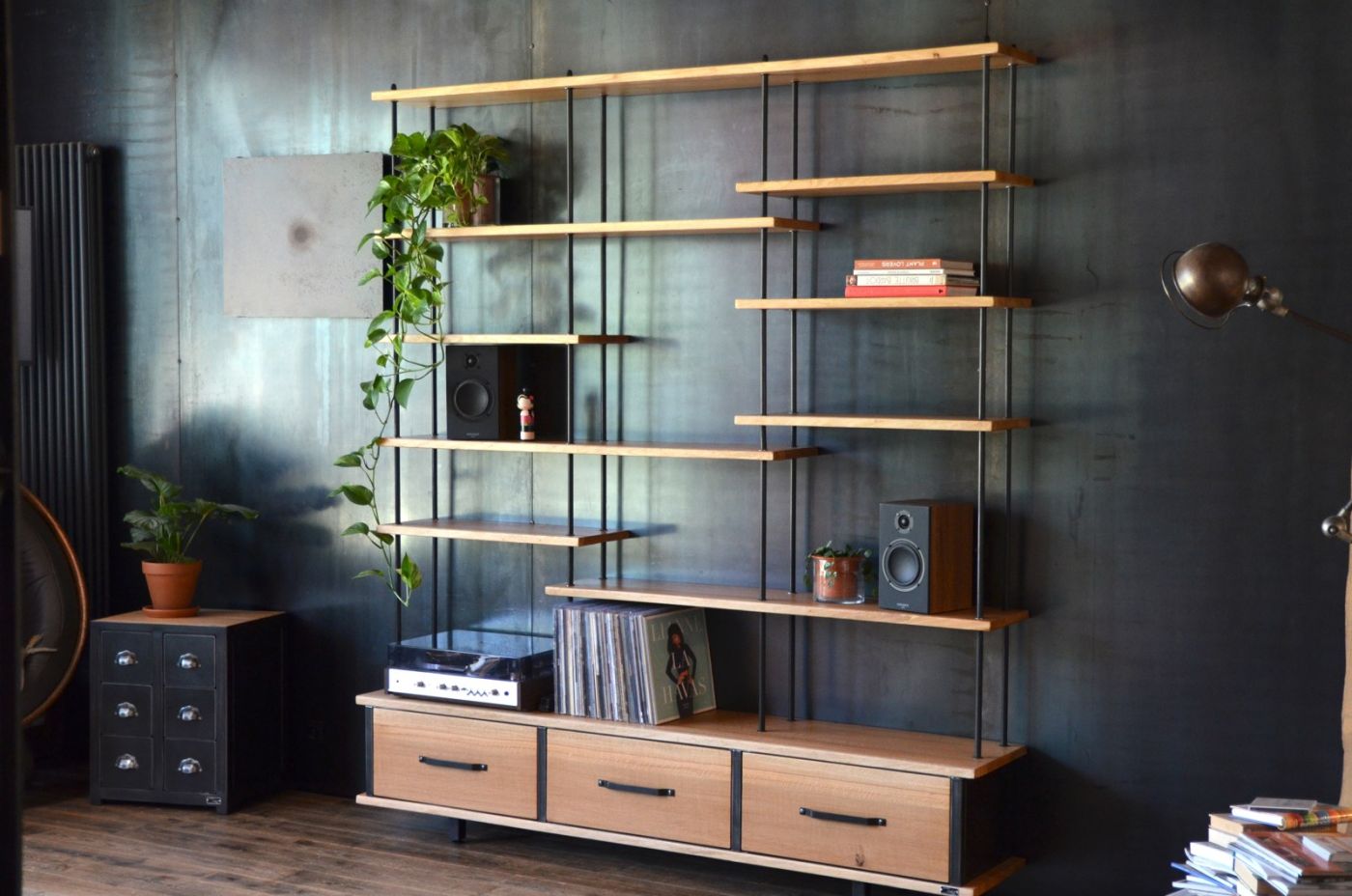
Maakt interieurs.
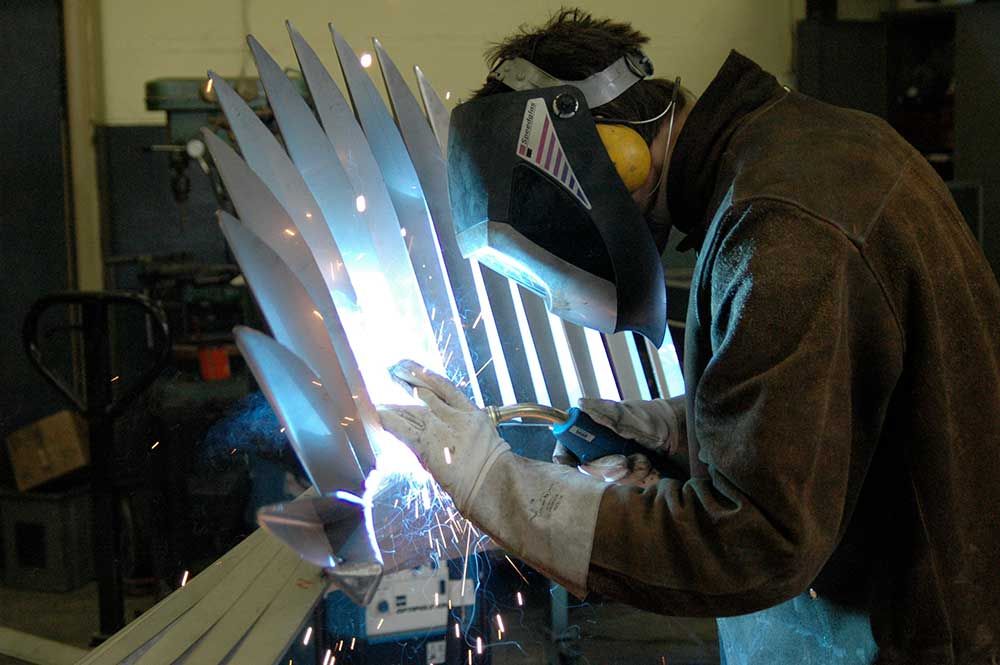
Kunstuitvoerder: maakt kunst in opdracht van kunstenaars, specialist in spuitbeton en uitdagende staalconstructies.
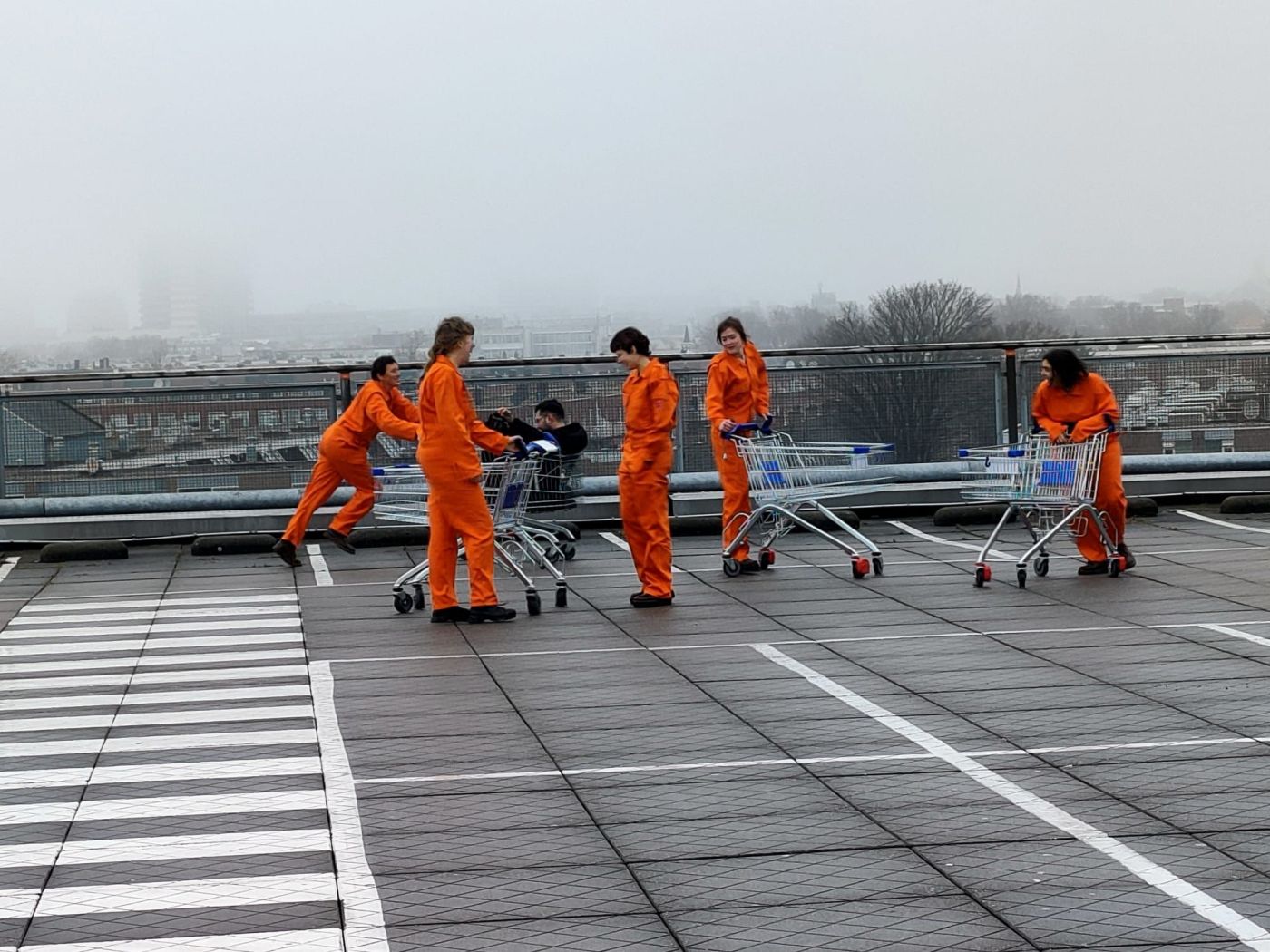
film
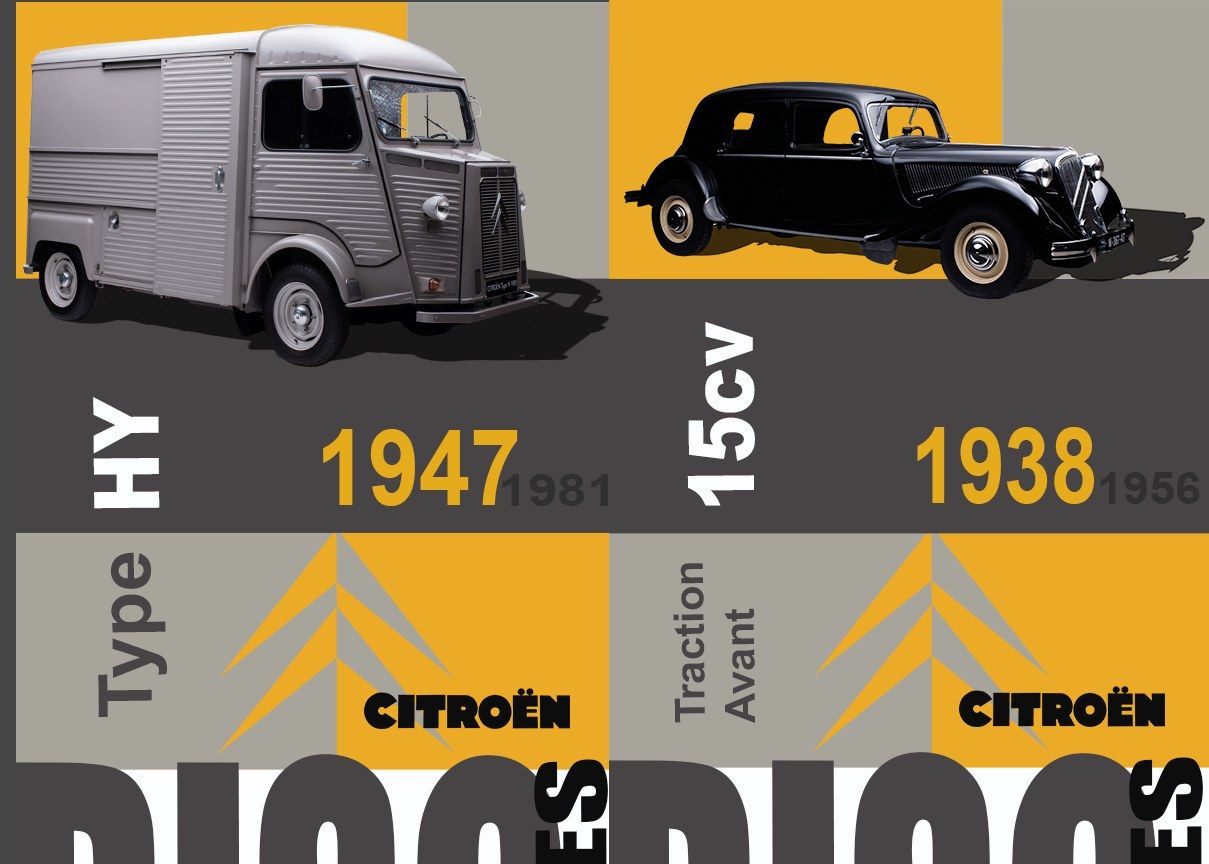
Conversies van klassieke bedrijfswagens, specialist in de Citroën HY: moderne aandrijflijn en schijfremmen in het originele voertuig.
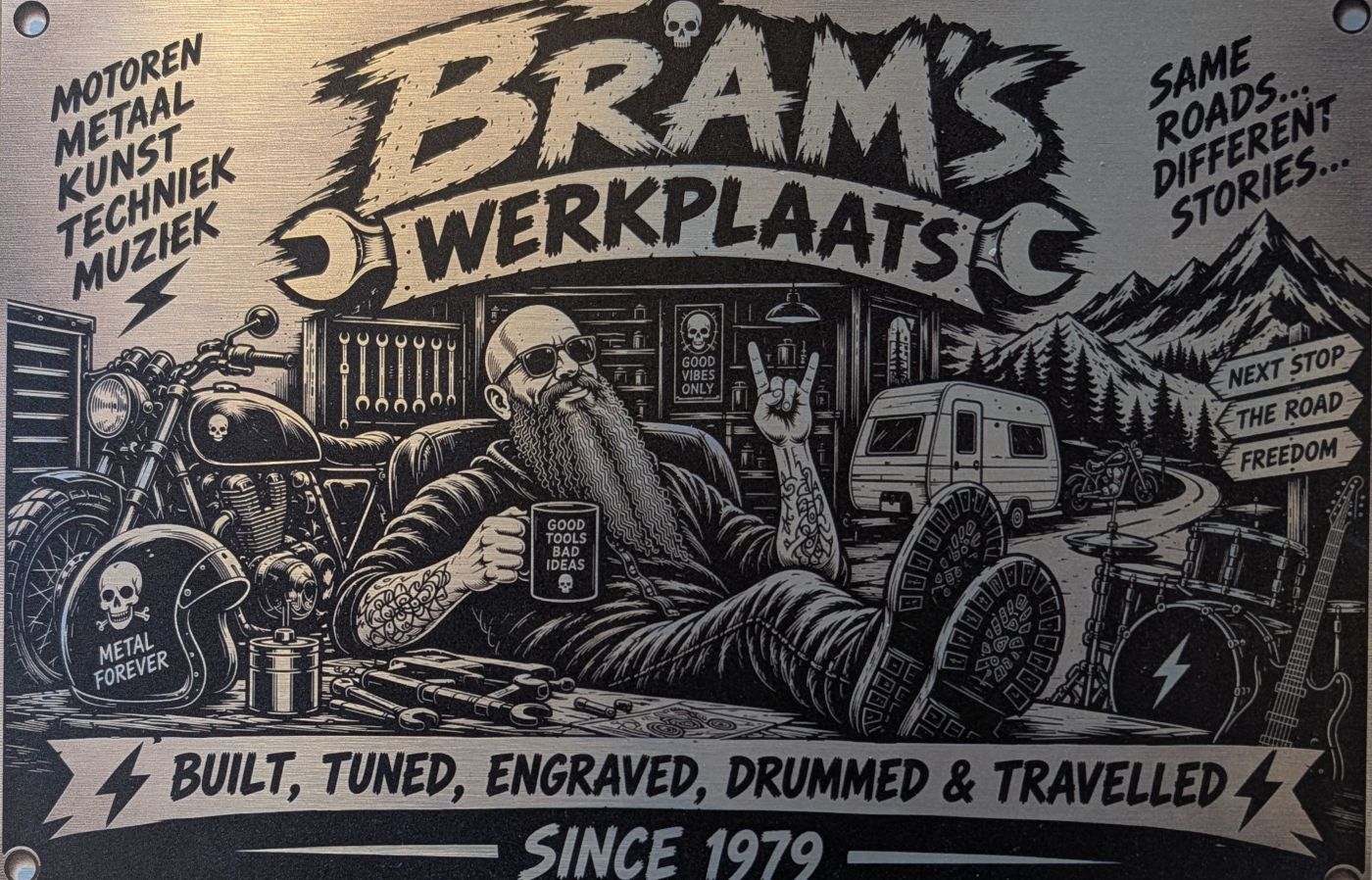
Ik bouw en repareer custom motoren, maak meubels en staalconstructies op maat, en doe aan graveren en pinstriping. Kom gerust langs!
No company under this theme yet.
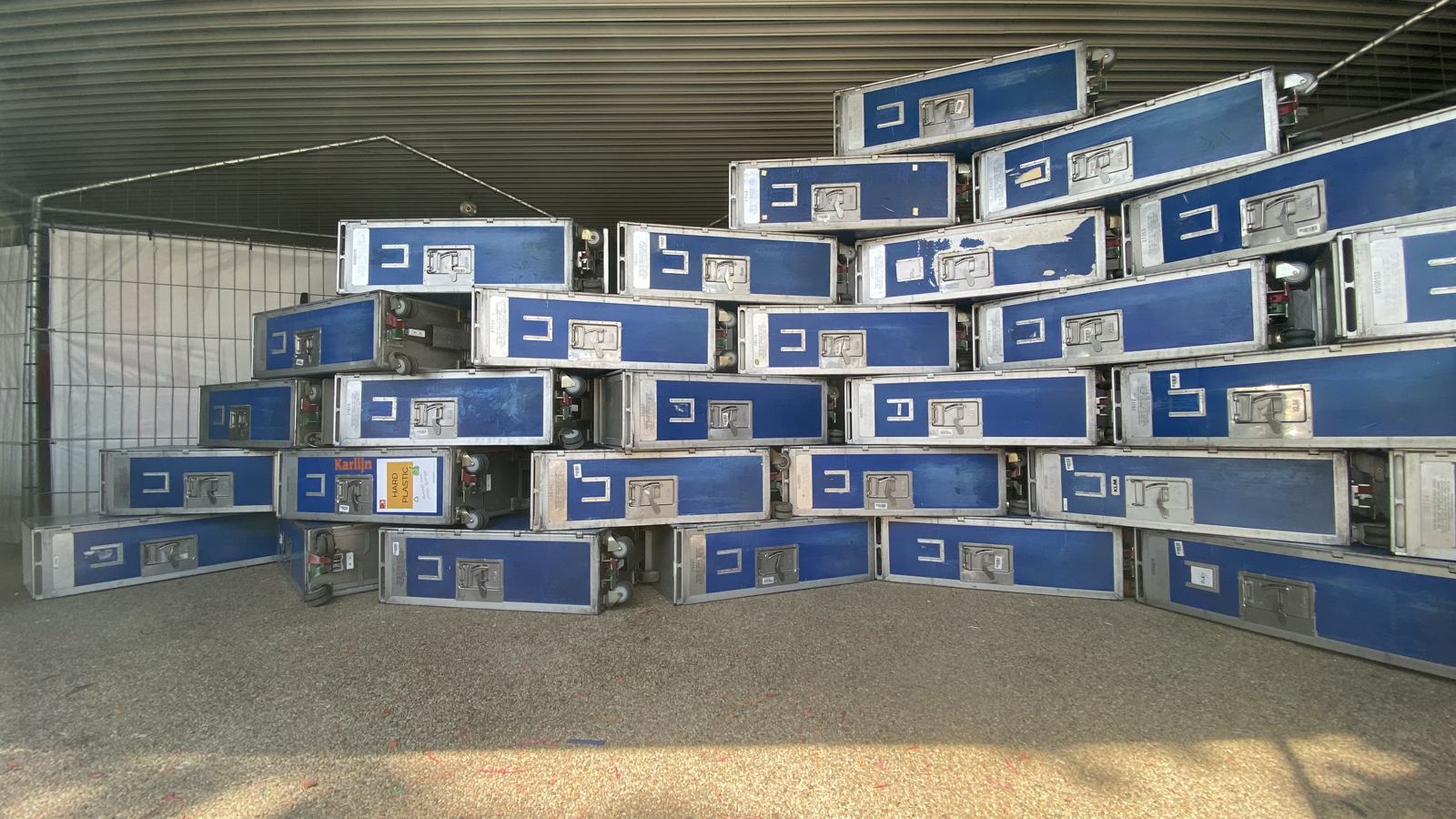
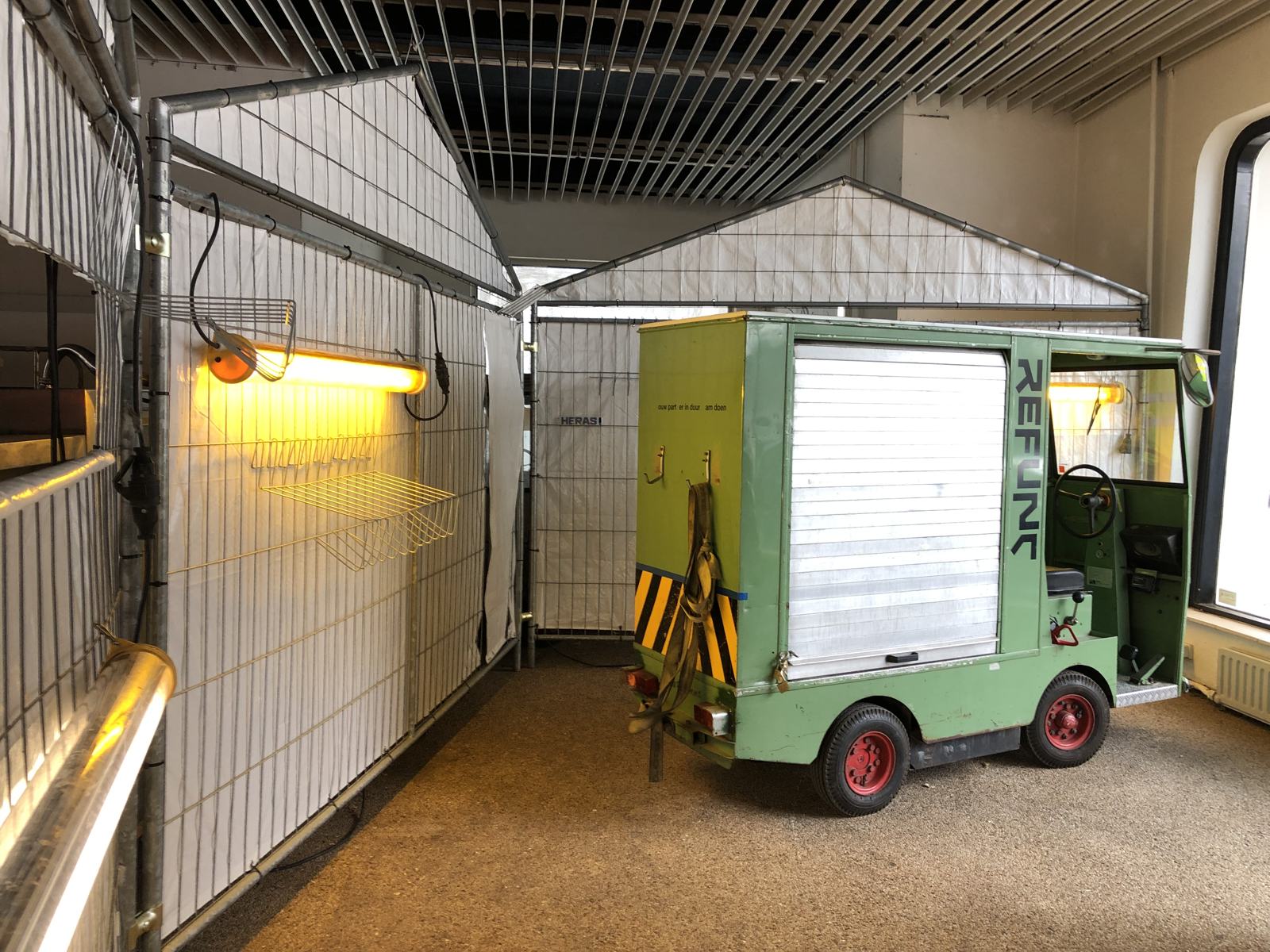
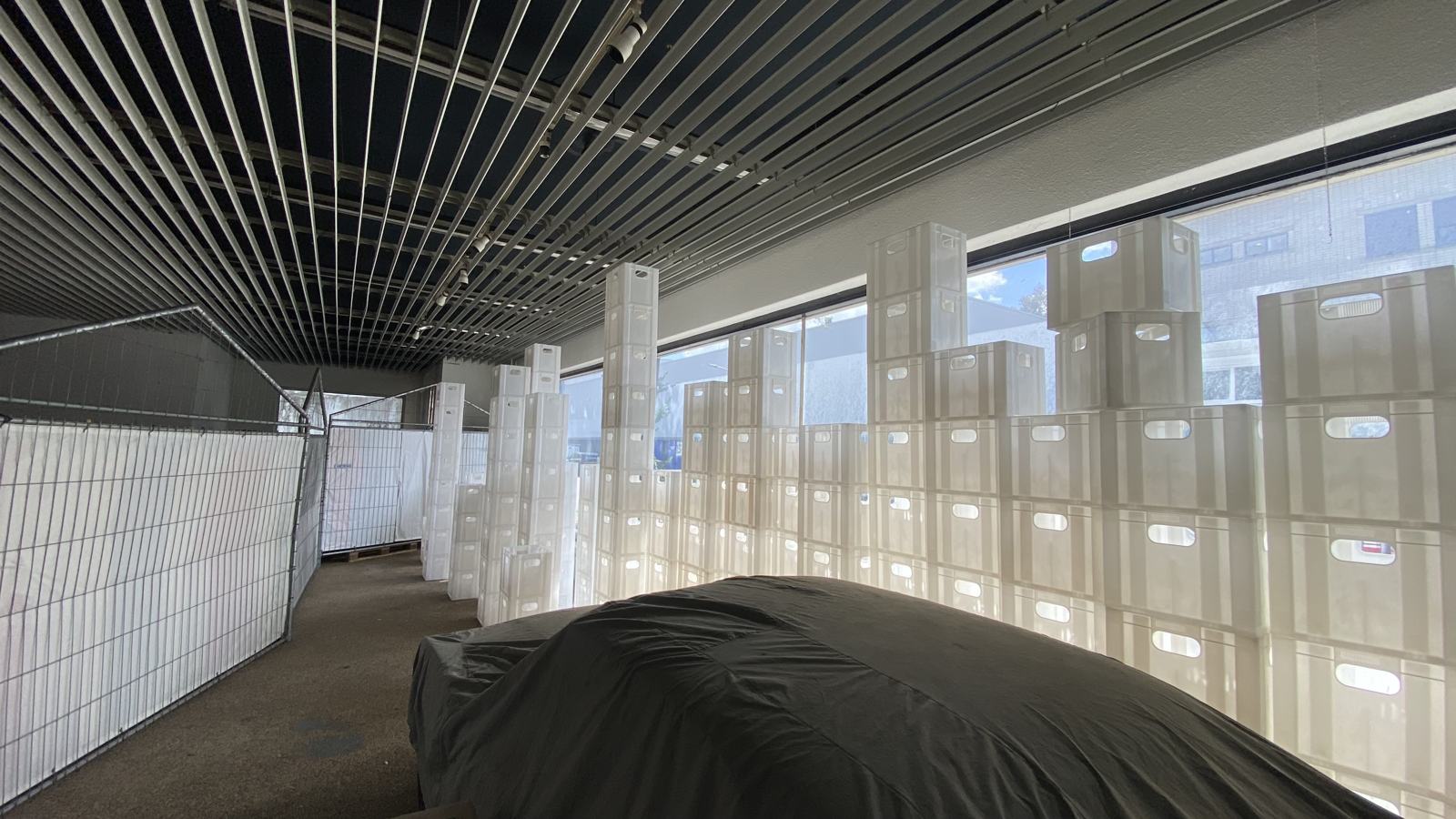
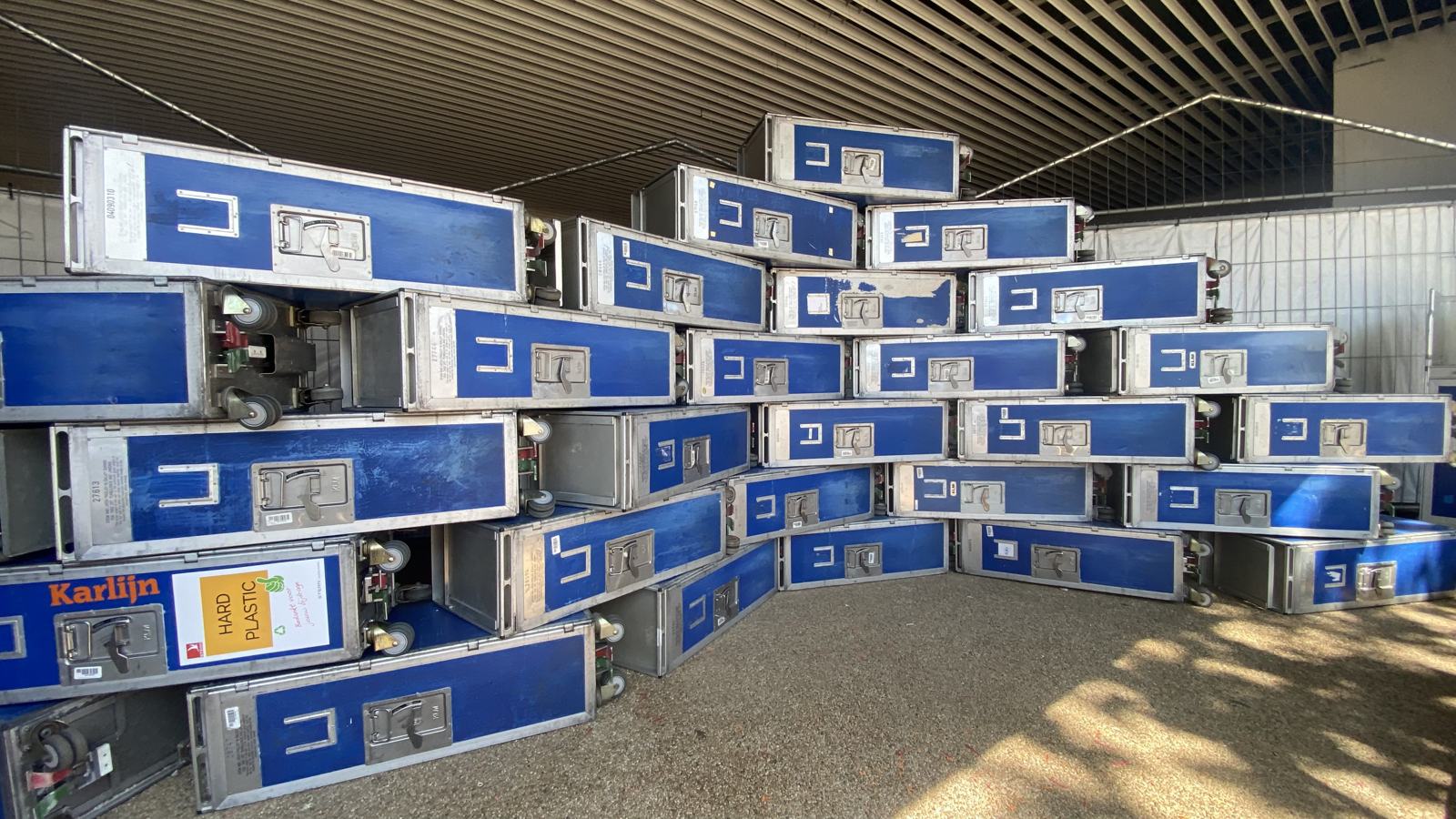
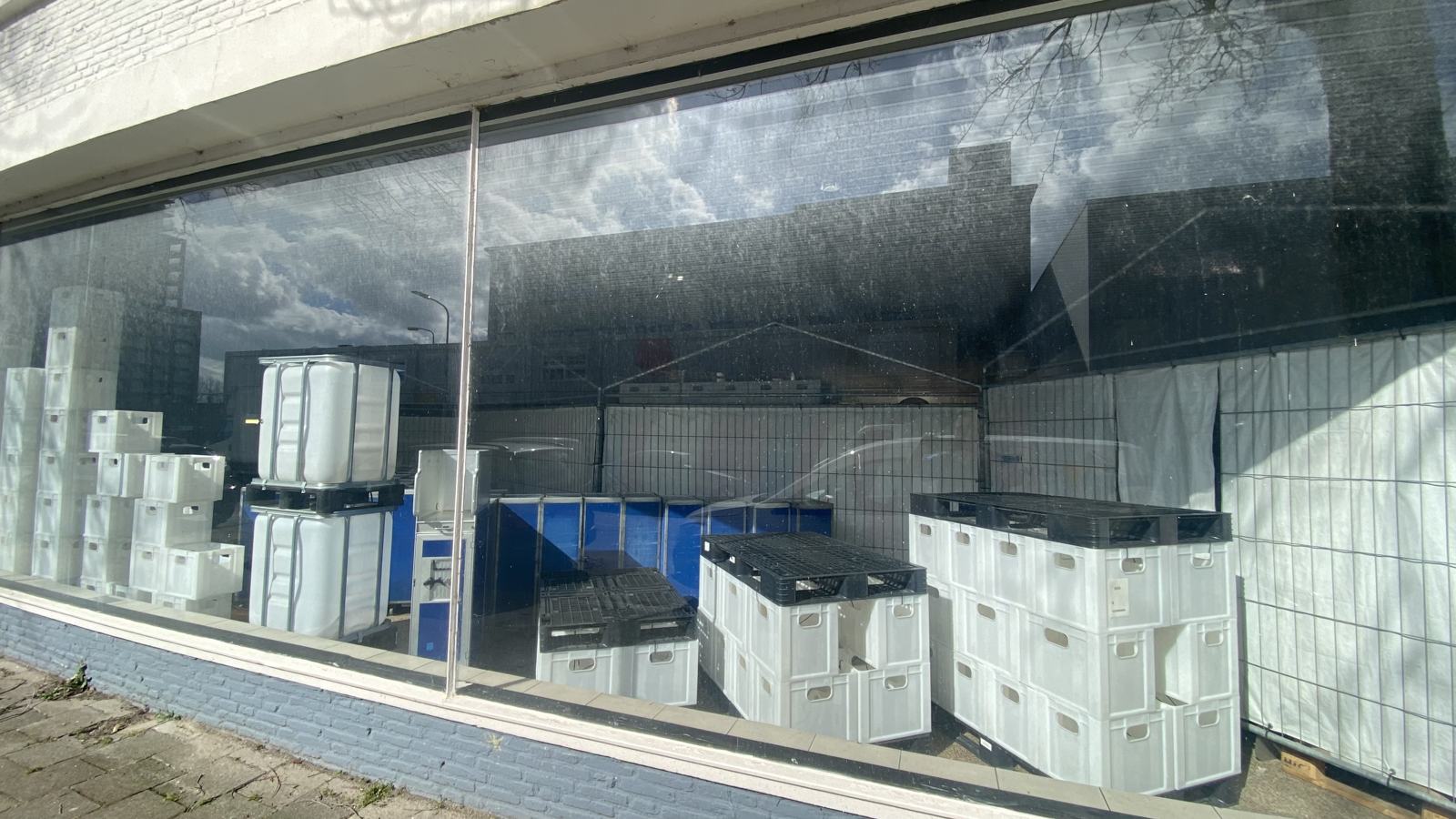
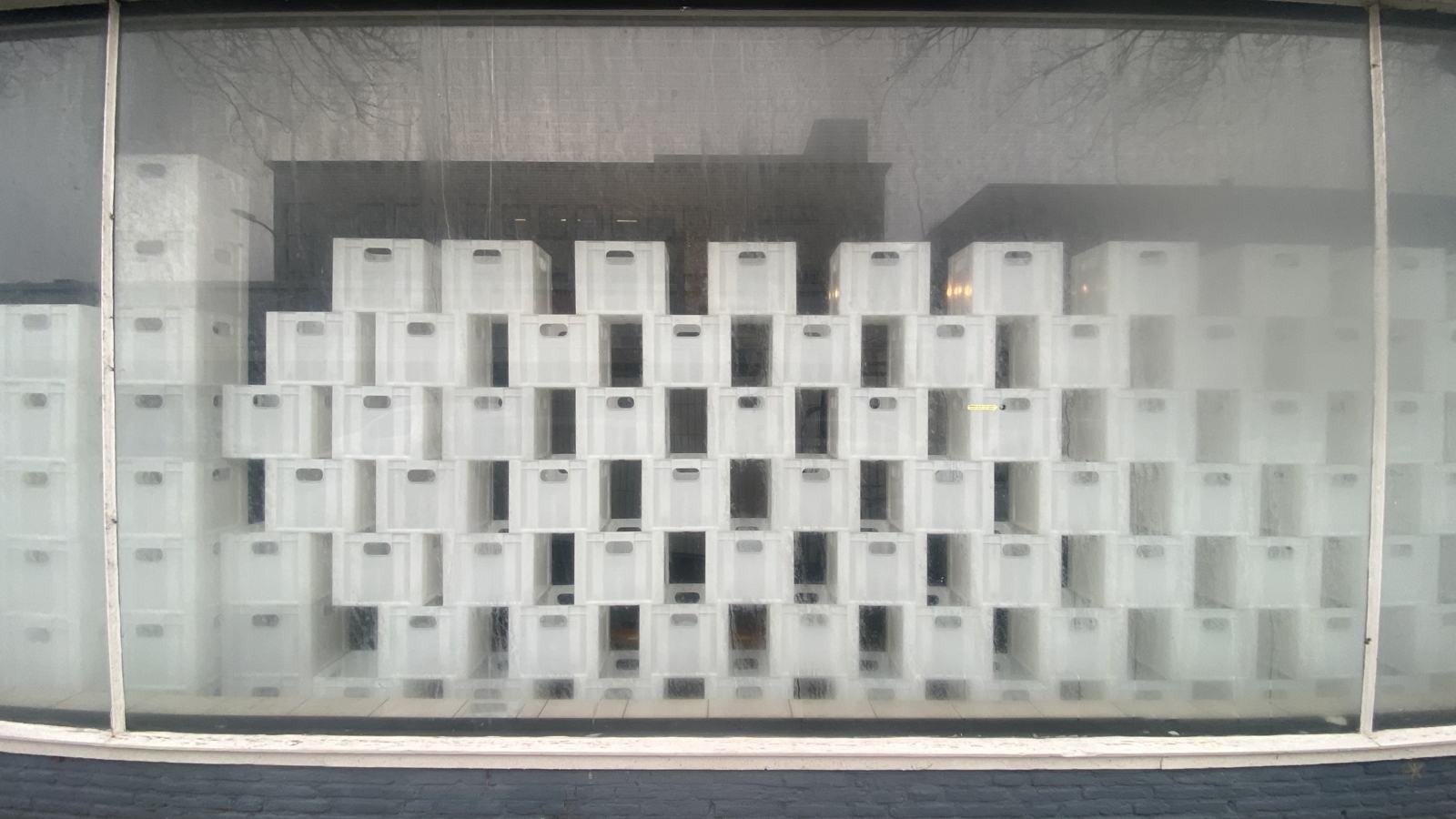
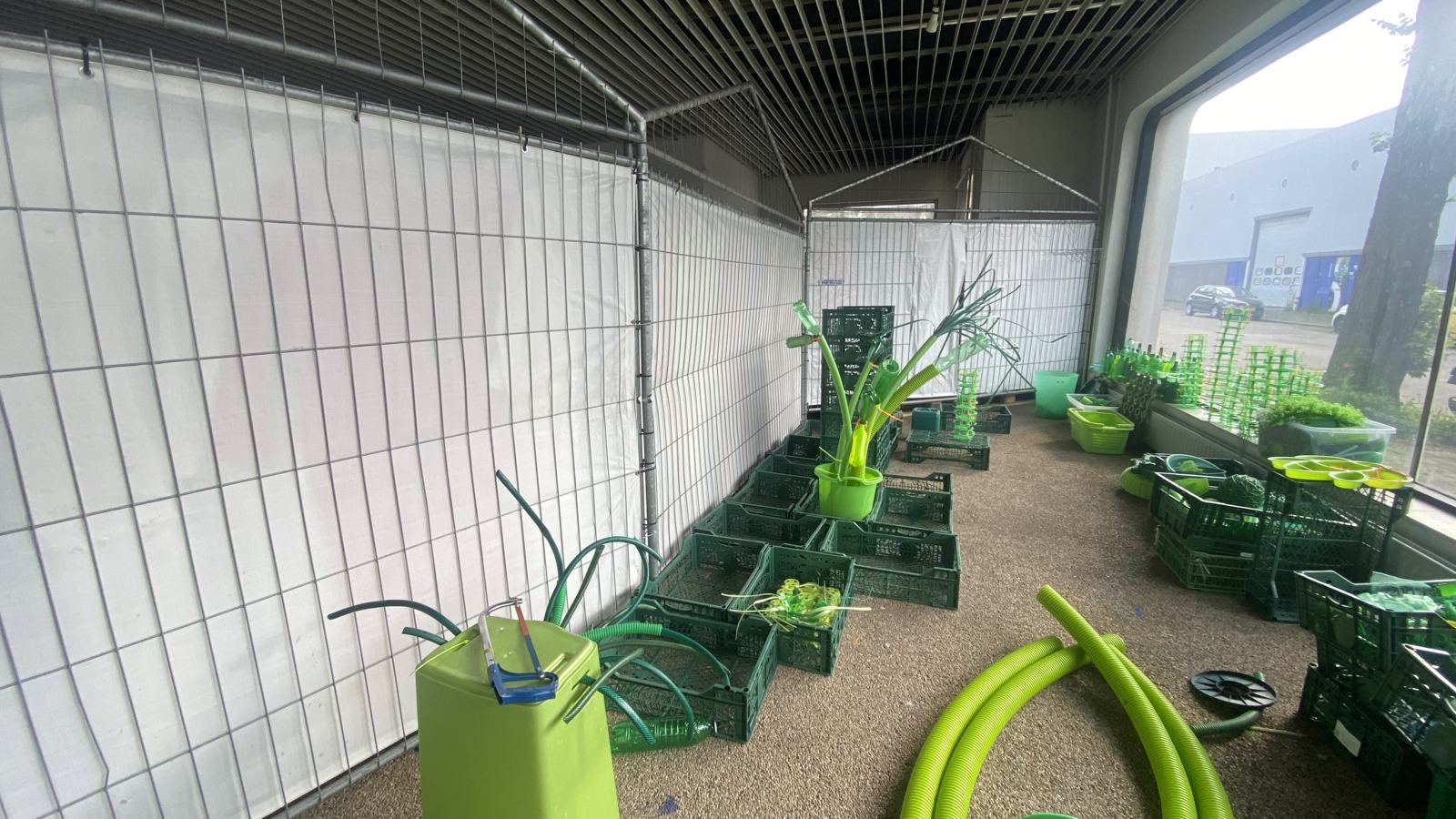
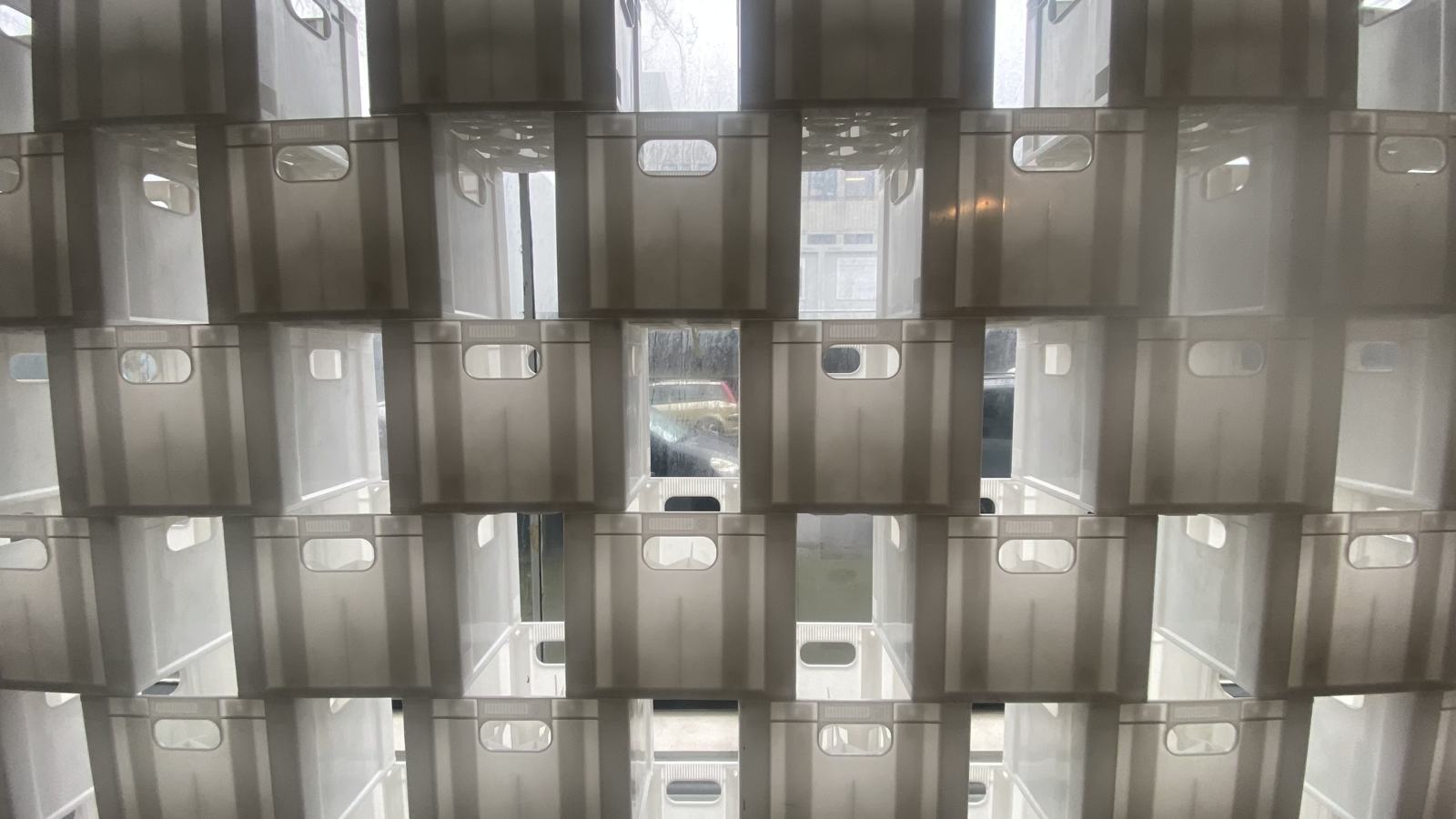
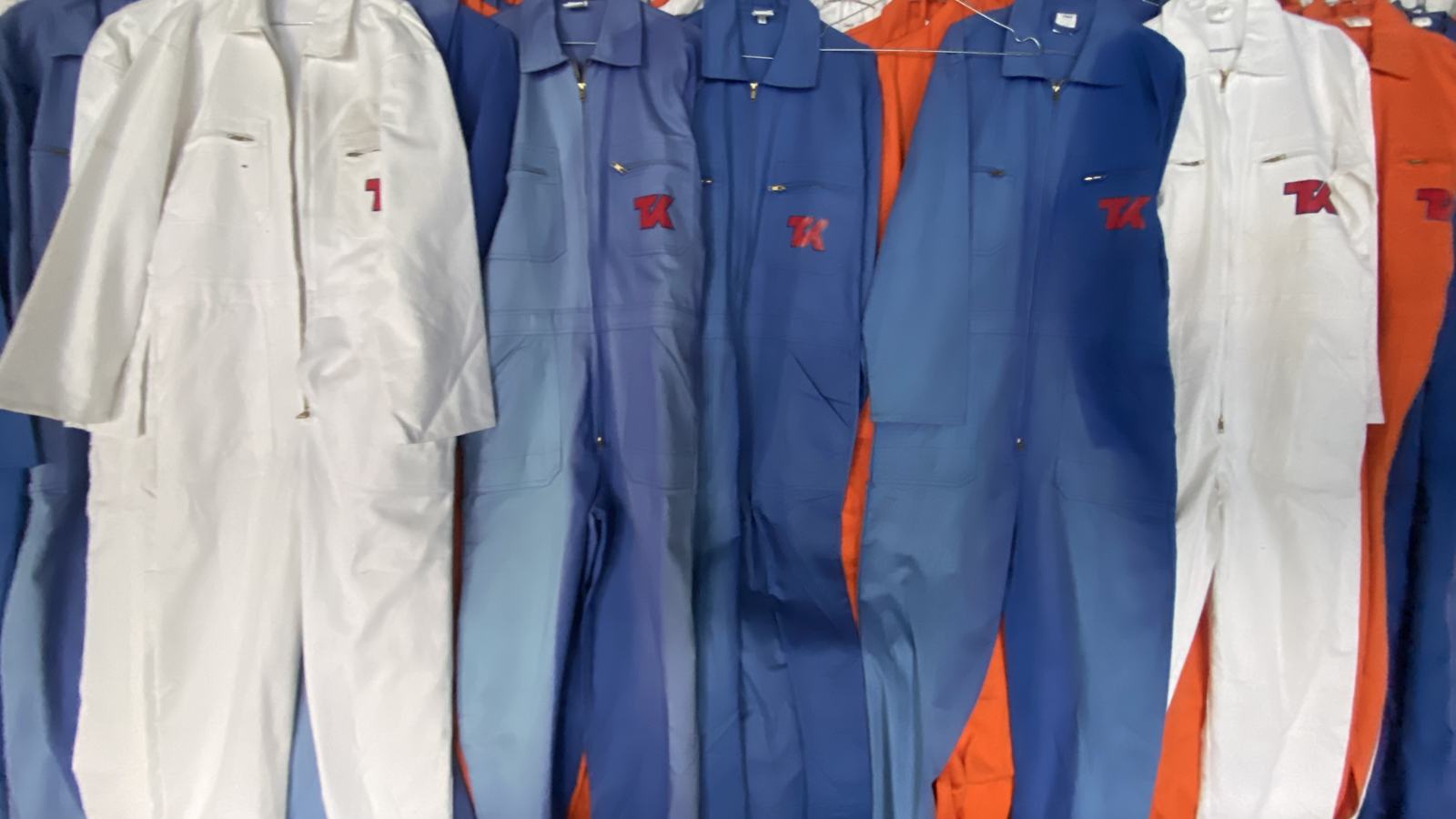
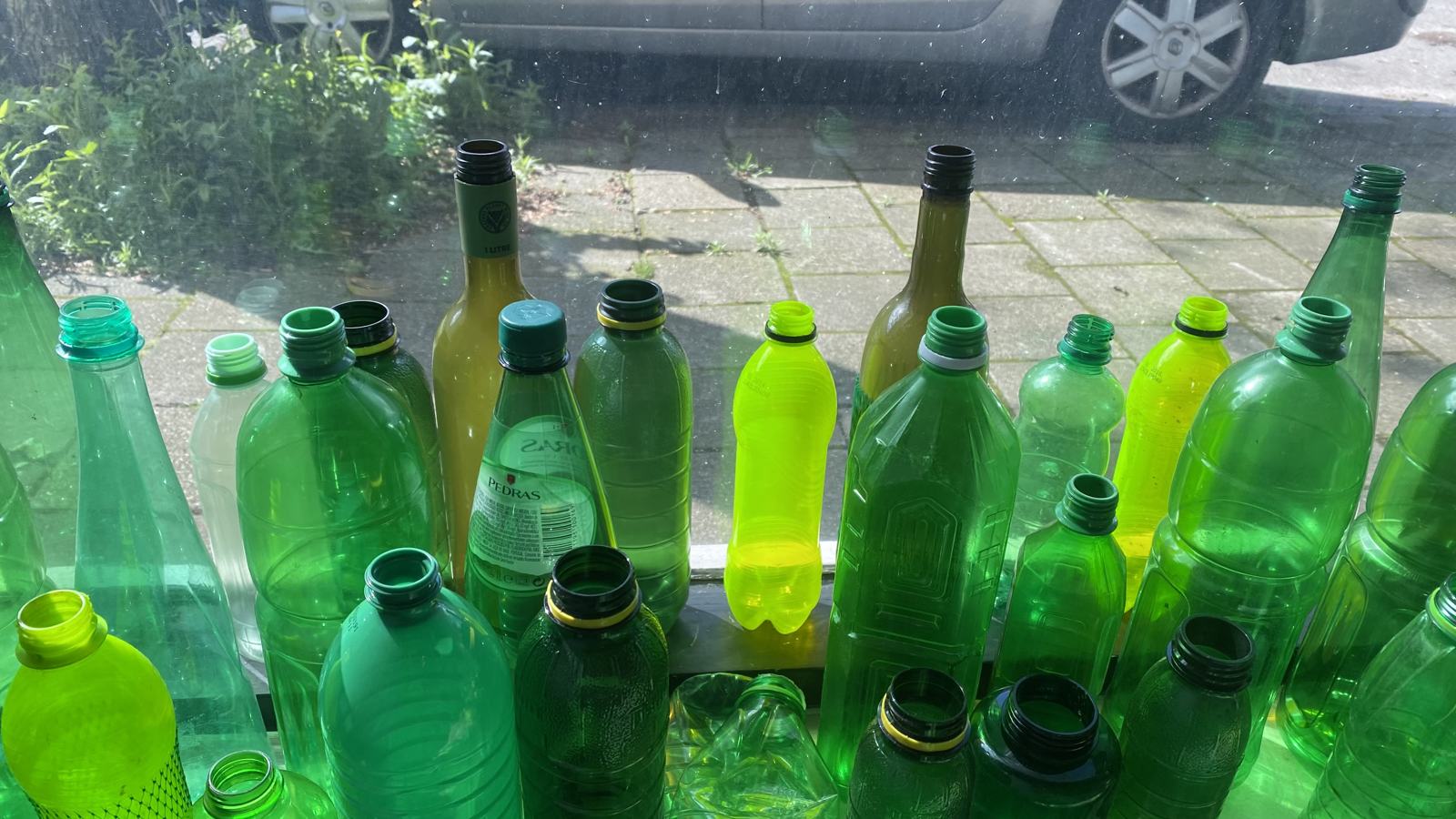
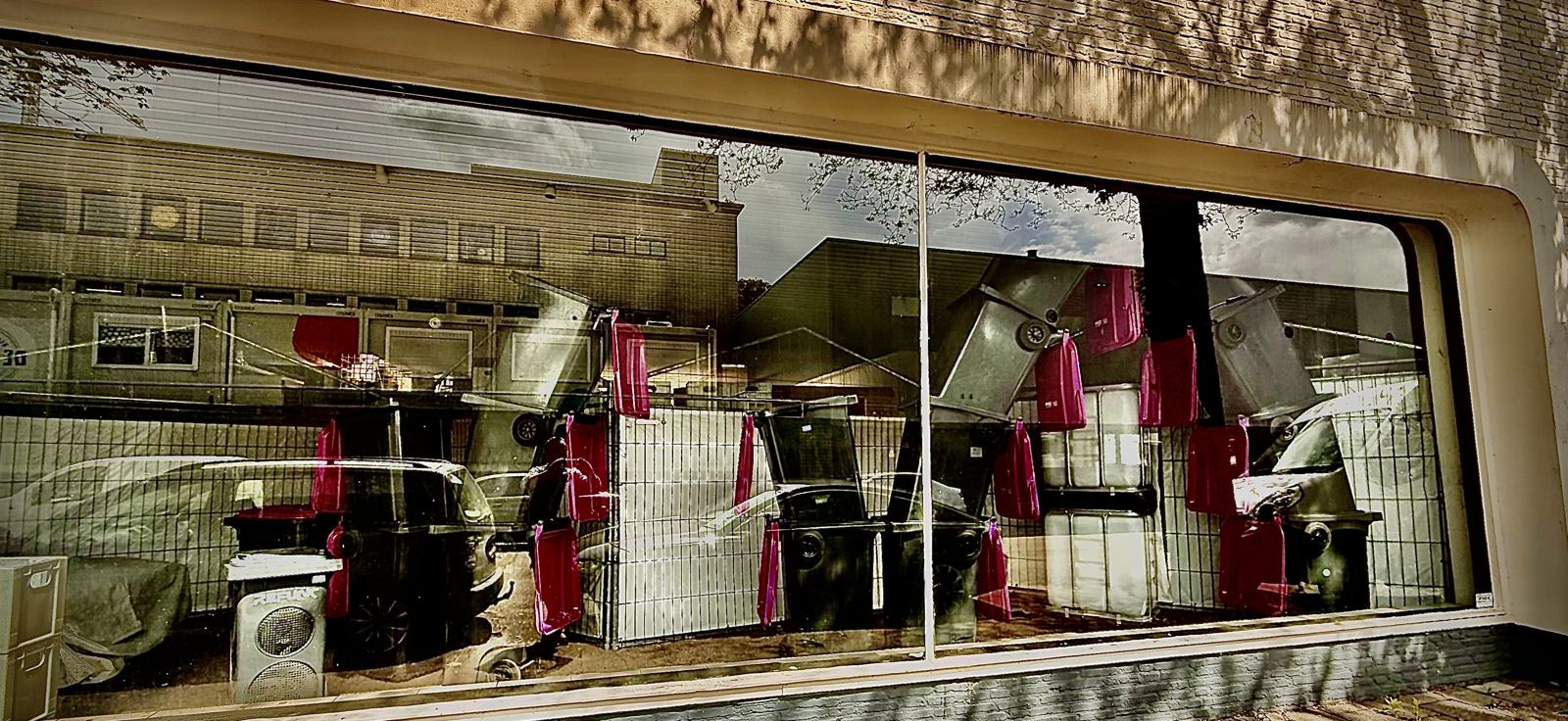
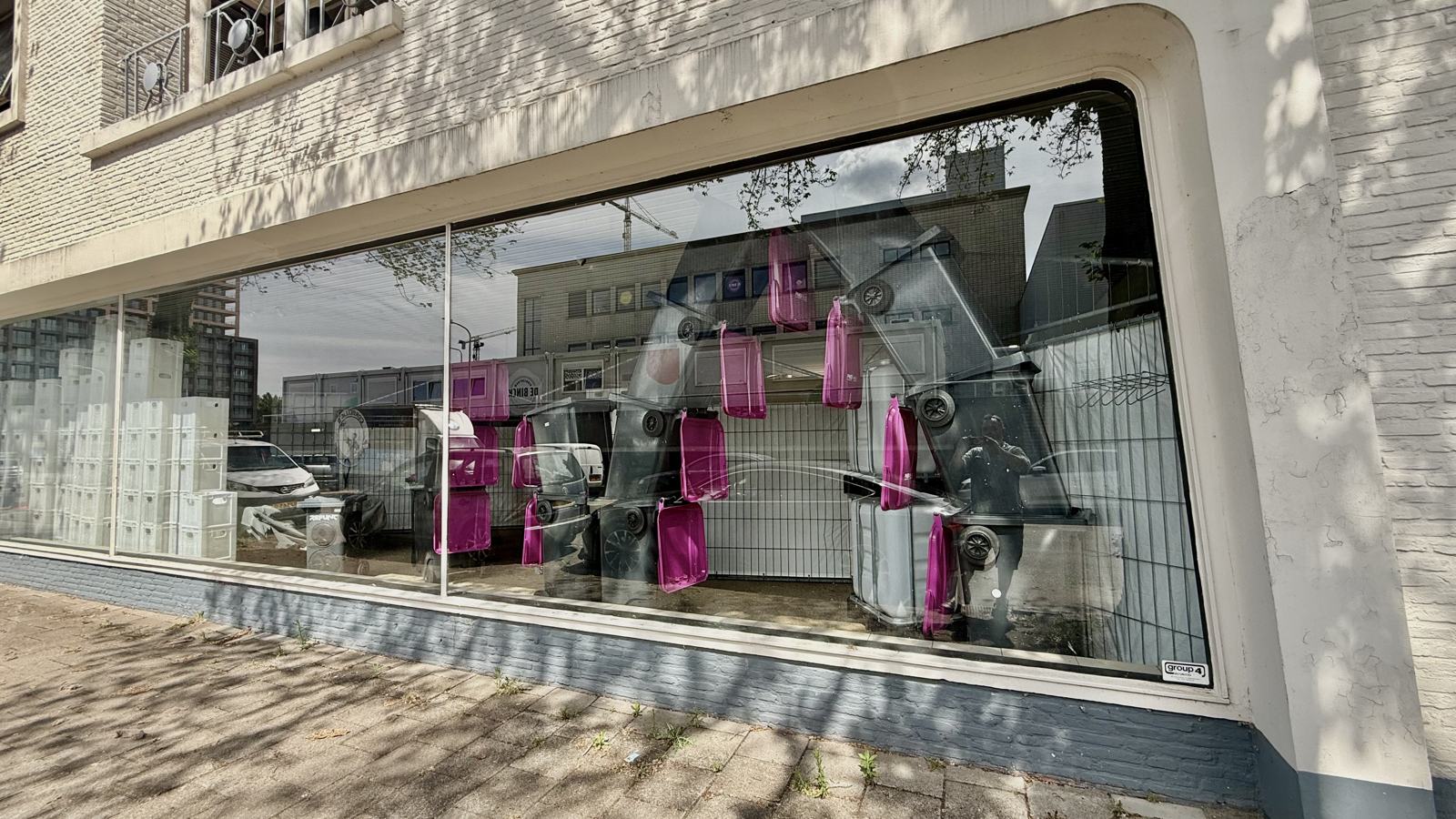
On the street side stands a window that keeps changing, with work that was made here or comes from here.
The original ground floor plan.
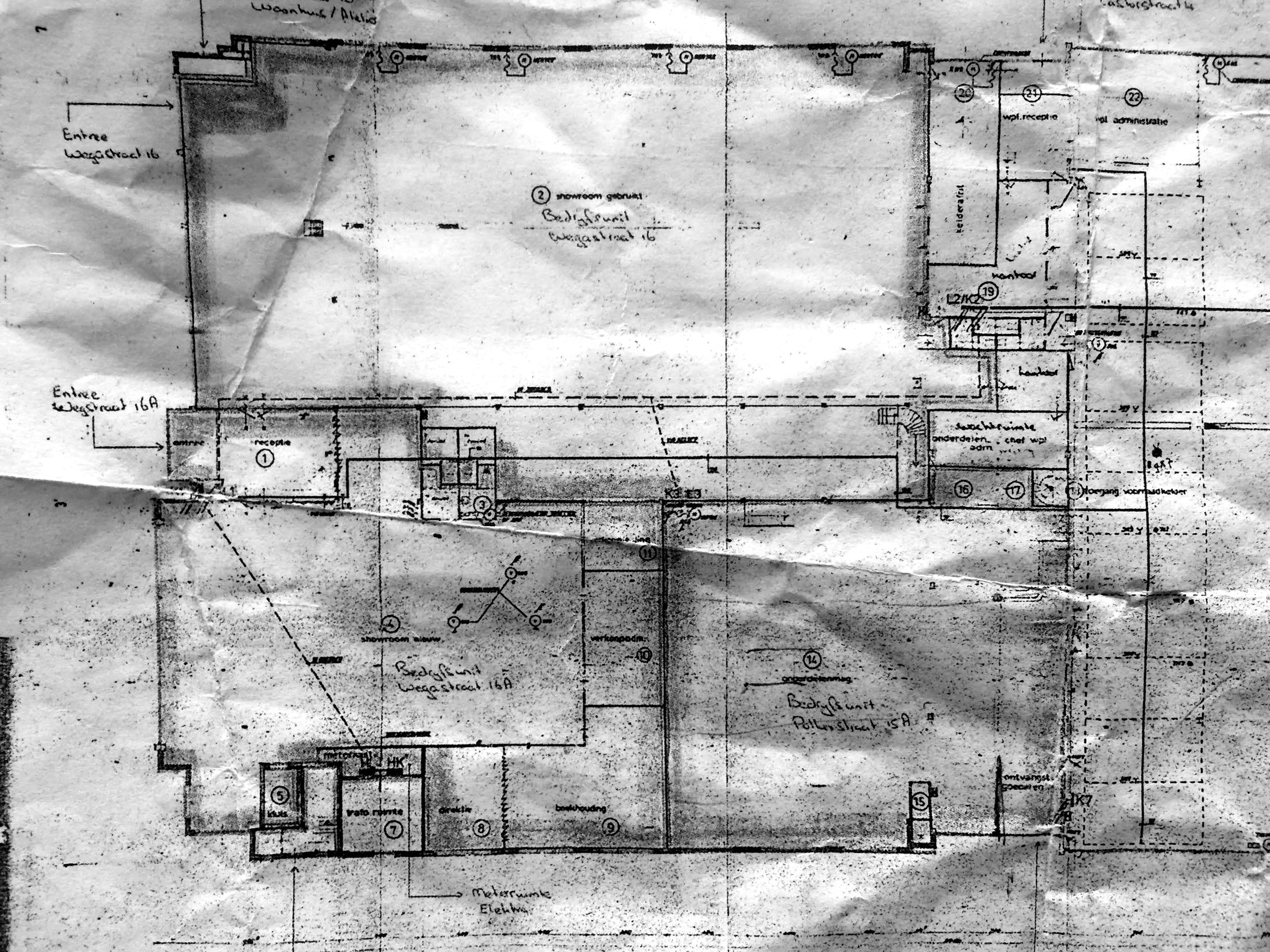
The old plan still shows the rooms of the car company: reception, management, bookkeeping, a safe, the transformer room and the workshop office.
Put your unit number with your company, so everyone can find you.
From car company to makers’ hub, in a district that has been changing for seven centuries.
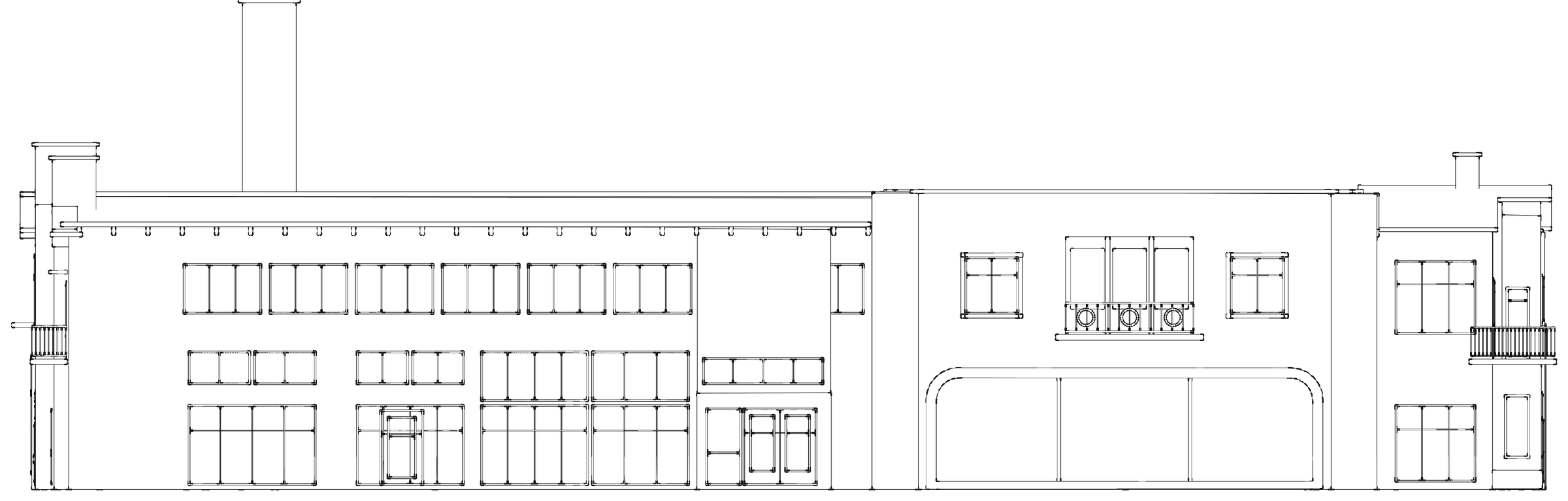
Wegastraat 16 and 16A form one building with Castorstraat 4 and 10 and Polluxstraat 11 and 15. The land registry gives 1954 as the year it was built. That same year Auto Import Marten Rosier moved in, importer of Hanomag and later Tempo commercial vehicles.
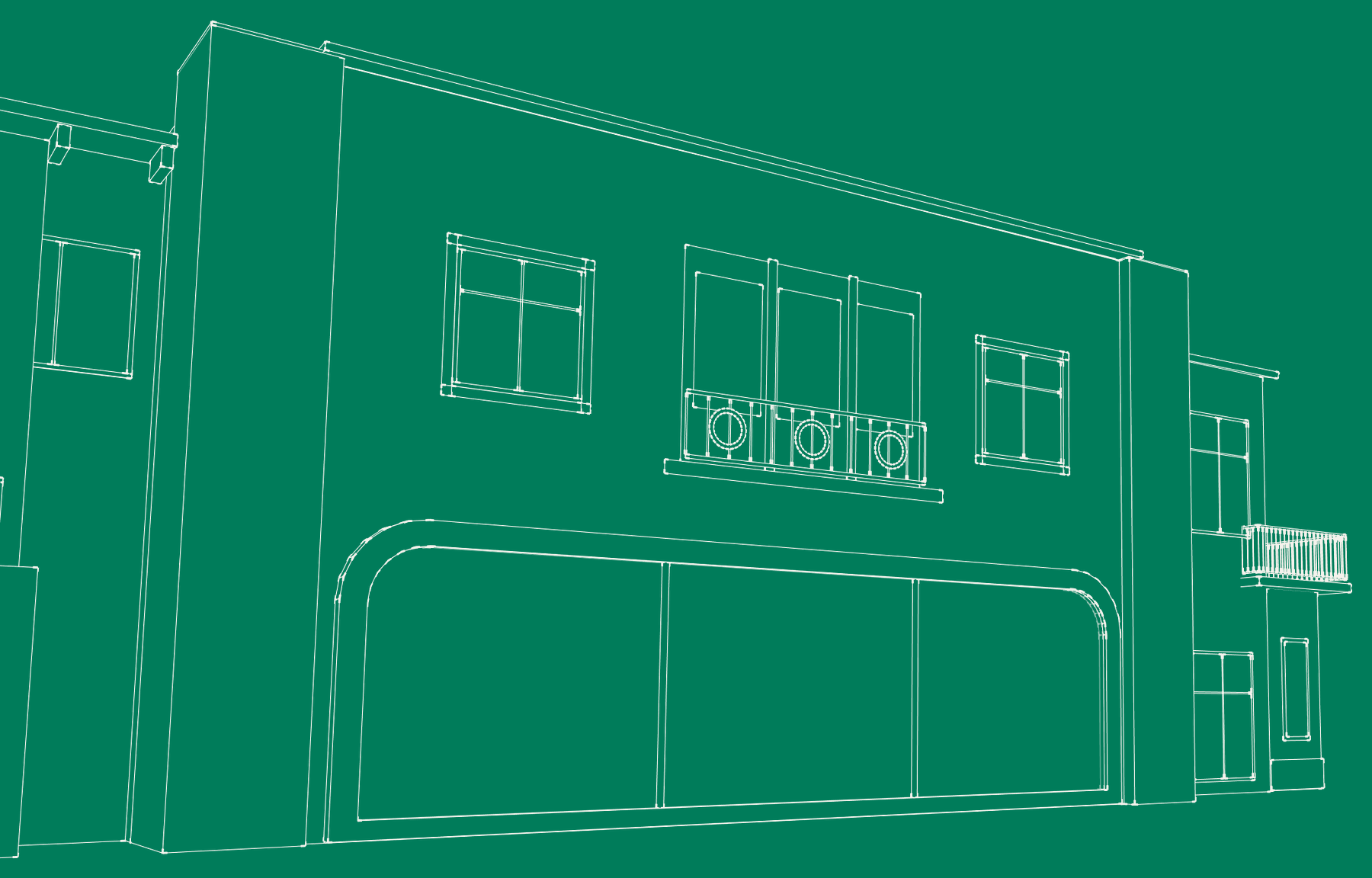
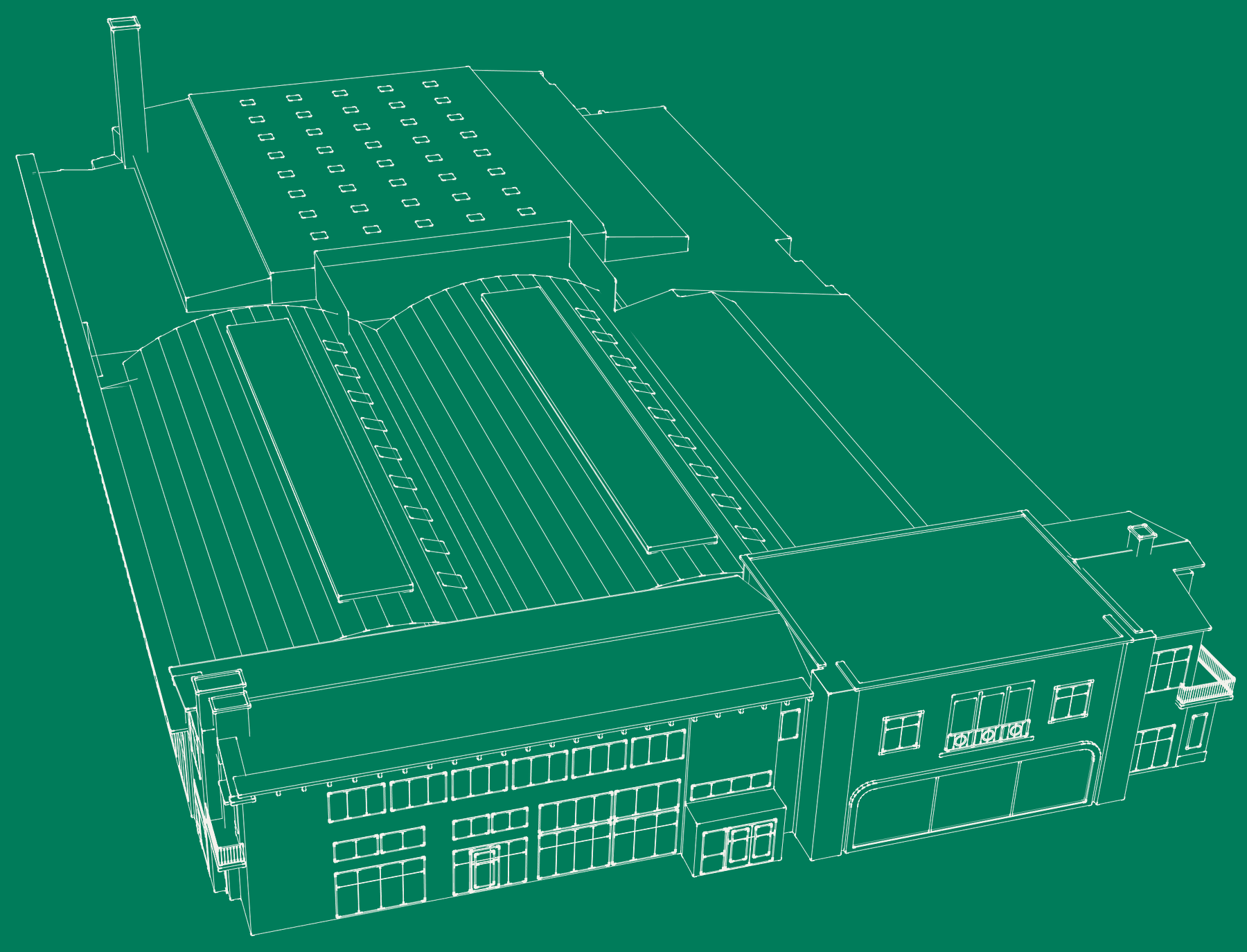
On the street are the entrance and the big doors, the shop window and the dwelling above. Behind them stand two large halls under an arched roof, for the garage, and a tall chimney.
After Rosier came an importer of Volvo trucks and buses, a Volvo dealer in the late seventies and then a tyre company in the halls. The city lists it as a notable building. It is not a listed monument.
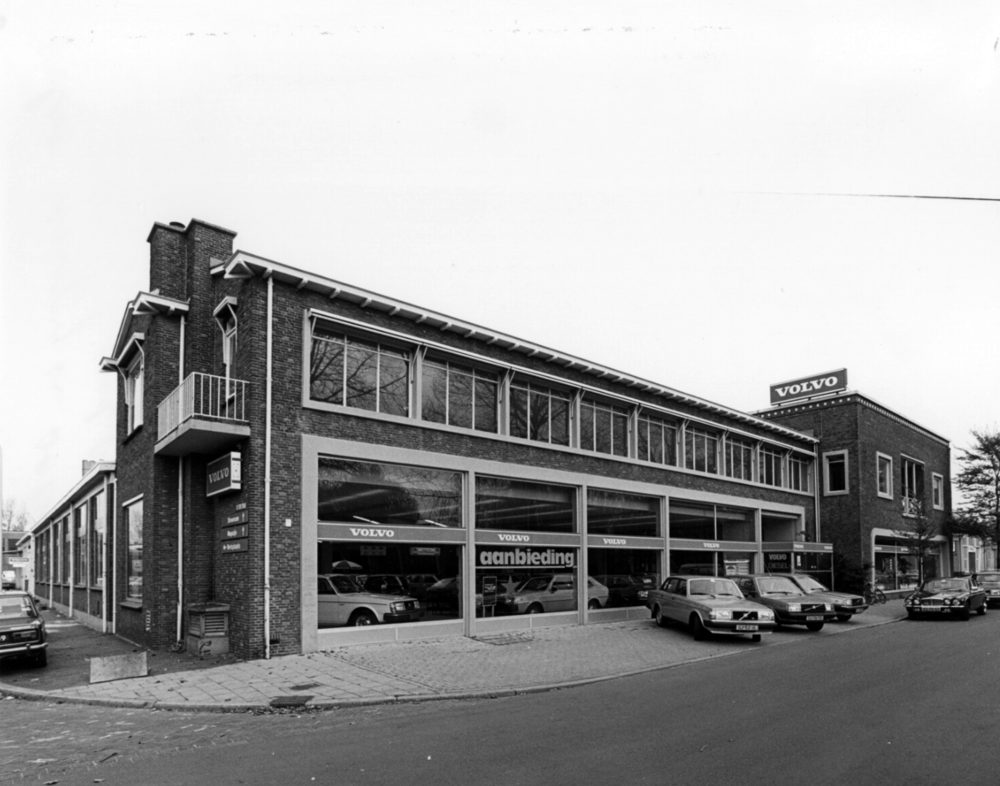
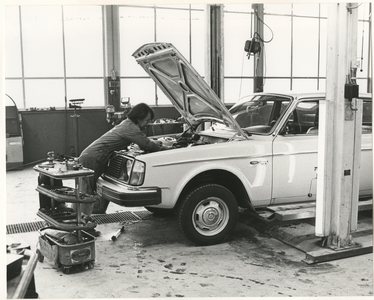
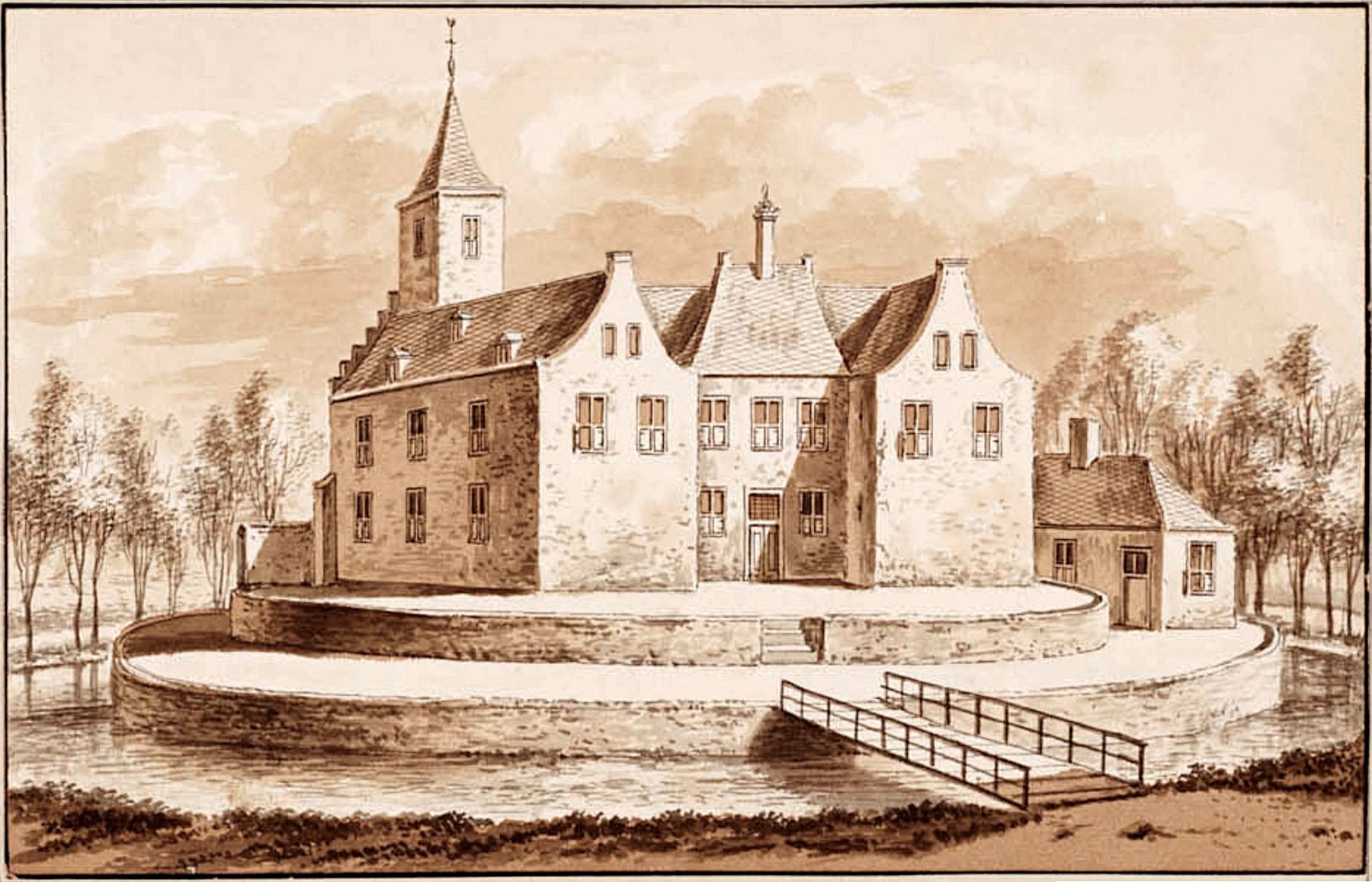
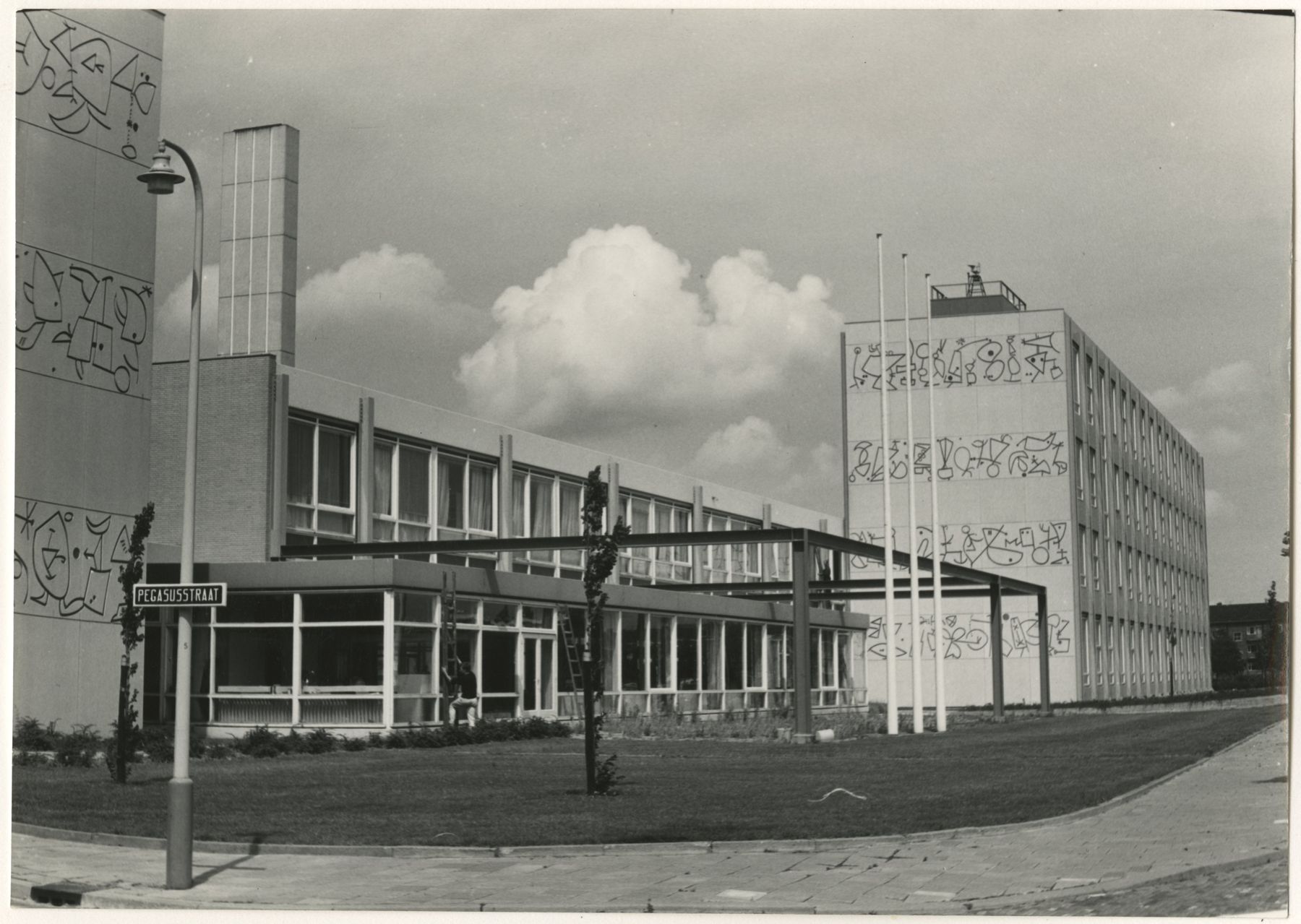
 1308
first recorded. The district bears its name.
is dug straight through the peat polder.
The second municipal gasworks (1905–1907) is the first big industry. The Binckhorst passes from Voorburg to The Hague.
The Binckhorst harbour is dug, the first part as relief work.
opens as the first garage on the Binckhorstlaan, which grows into a car boulevard.
Laurens builds a new cigarette factory here.
is built. Auto Import Marten Rosier moves in: showrooms on the street, two arched halls behind.
1980A Volvo dealer occupies the building. Volvo is Latin for ‘I roll’; here things roll on, from cars to makers.
The Caballero factory opens to creative firms.
opens. The Binckhorst becomes a place to live and to work.
The city studies whether this building becomes a place for makers and culture.
From industrial estate to a place to live and work. Follow the plans here.
Sources: BAGAudiotour BinckhorstConam: RosierCultuurhistorische waardenGemeente: PolluxSHIEHaags GemeentearchiefDen Haag NuWikipedia
Building data: 3D BAG (TU Delft, CC BY 4.0)
Photos with Marc and Sieko: Matti Blume, CC BY-SA 4.0 · Micheli Design, CC0
Theme photos: HY Conversions · US Navy, publiek domein · Shixart1985, CC BY 2.0 · Impressionmanufacturer, CC BY-SA 4.0 · mascot Laskracht
Den Haag city logo: Wikimedia Commons, CC BY-SA 4.0
Want something in the window or have a question? Leave a message and we will get back to you.
 Centrale Vastgoedorganisatie Den Haag